
Hardware Production Management Overview
For example, a batch of clasps may include polished bodies, incoming springs and parts held by a plating supplier. Production management determines what can proceed, what is still missing and how the drawings, parts, quantities and inspection records remain traceable through shipment.
Production flow overview
Section titled “Production flow overview”Custom hardware may pass through casting, stamping, machining, deburring, polishing, finishing, assembly and inspection. A product may also require springs, pins, magnets, screws or bought-in parts. A “work order” is an instruction to produce a defined quantity. A “batch” is the identifiable group of parts produced under that instruction.
The production flow is:
- Agree the drawing, sample, material, finish and function.
- Confirm the body, components, tools and inspection method are ready.
- Make and hand over each operation with quantity and time recorded.
- Inspect before the next operation or shipment.
- Rework, replace or isolate only the affected quantity, then check again.
What to keep together
Section titled “What to keep together”For each batch, retain the order, product revision, colour, body and component quantities, process route, planned dates, actual handovers, external-processing returns, inspection results and packing record. A revision is the approved version of the drawing or sample. If the revision changes, identify any material already in production before work continues.
Body quantity is not the same as finished-set quantity. If each set requires one spring and there are not enough springs, the shortage limits assembly. Record bodies, components and bought-in parts separately. The customer order quantity and manufacturing quantity may differ when approved samples, testing or normal process loss are included; retain both figures and explain any additions.
Understanding production status
Section titled “Understanding production status”- Waiting: the next operation has not started.
- In process: work is underway and the quantity is known.
- In transit: sent out, but the receiver has not confirmed it.
- Awaiting inspection: physically received, but not yet accepted.
- Held: a quality, quantity, drawing or safety question blocks movement.
- Rework: an approved correction is underway and must be inspected again.
- Complete: required work, inspection, quantity, packing and handover are finished.
Production completion, quality acceptance, packing and warehouse receipt are distinct management milestones.
When a problem appears
Section titled “When a problem appears”Identify the product, revision and affected quantity, then separate it from acceptable stock. Check where the material has gone, decide whether to rework, return, replace or scrap it, and record the new inspection result against the original batch. Retain the original quantities and handover records, using documented adjustments to explain any difference.
For preparation details, see Production planning and readiness. For movement records, see Shop-floor flow and progress control. For release checks, see Operation handover, external processing and release. Quality handling is covered in Quality traceability and corrective action.
Packing and finished-product protection
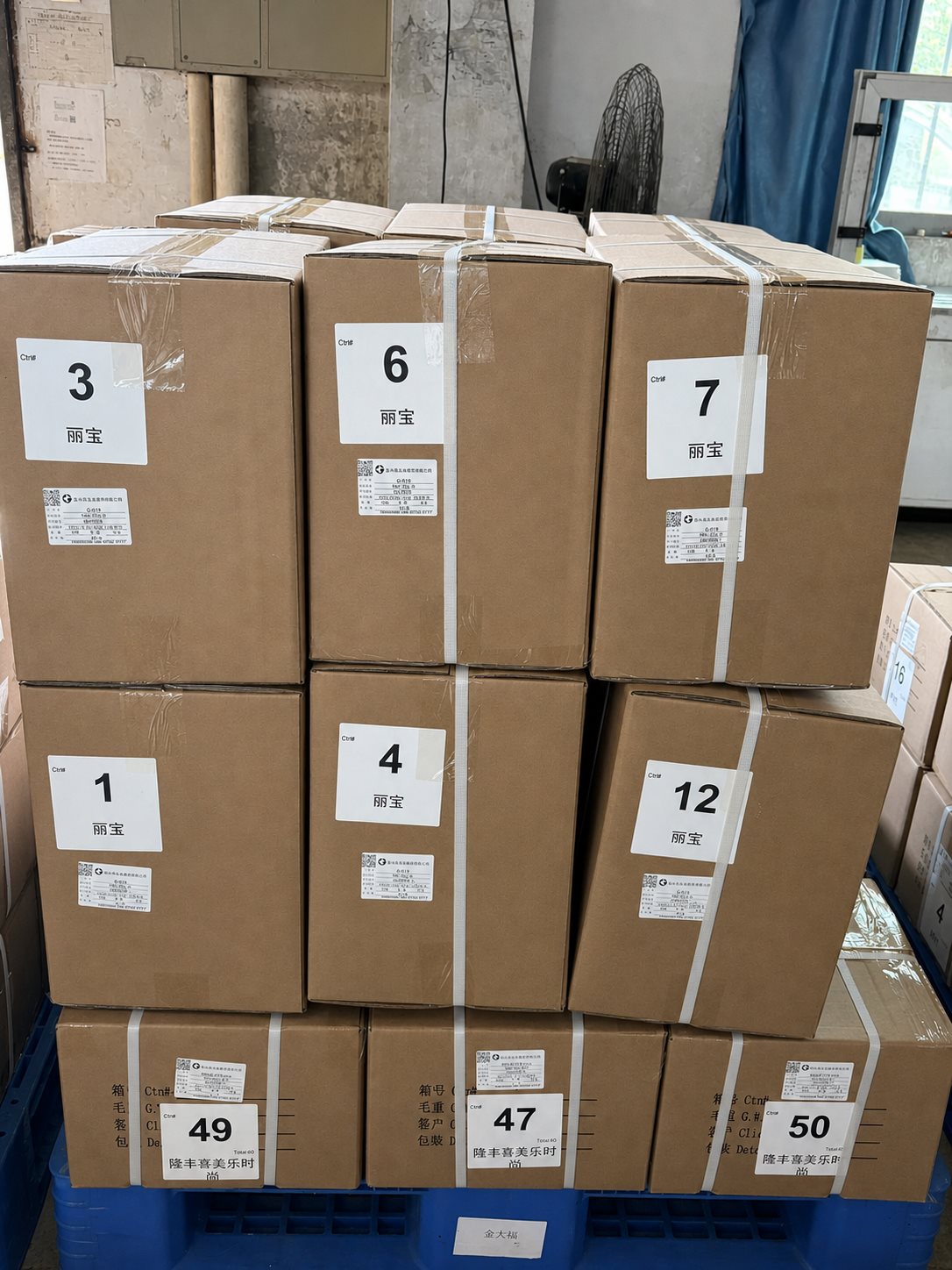
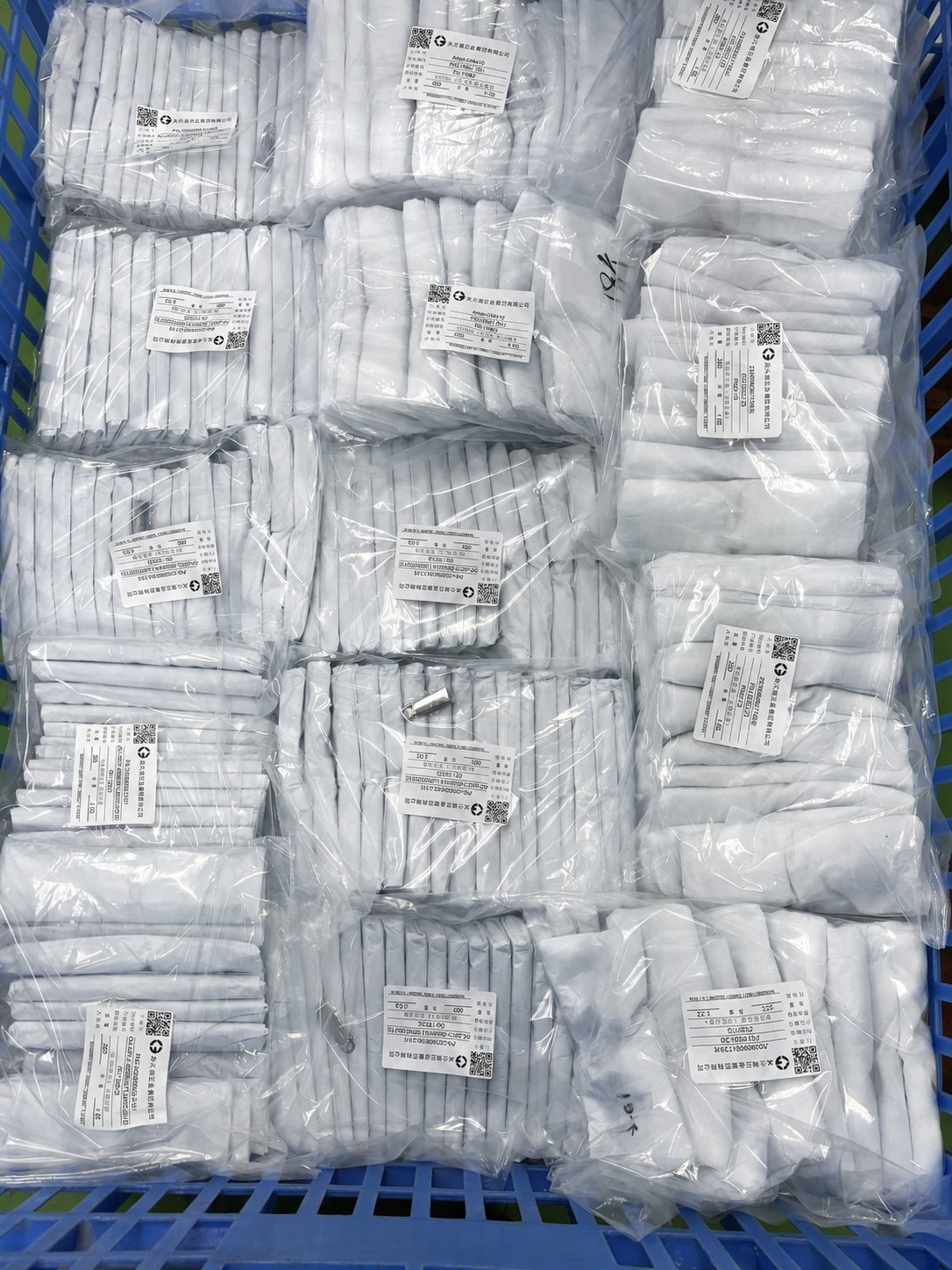
At packing, select suitable separation and carton protection for the product structure and surface condition to prevent scratches, impact damage and batch mixing during handling and transport.
Related topics
Section titled “Related topics”Production planning and readiness · Shop-floor flow and progress control · Operation handover, external processing and release · Hardware inspection and testing