
Buckles, Rings & Adjusters
These fittings guide, join or adjust the length of a strap. They are commonly used on bags, belts, luggage and other webbing products. Compare each form by its shape, typical use, selection points and similar-looking alternatives.
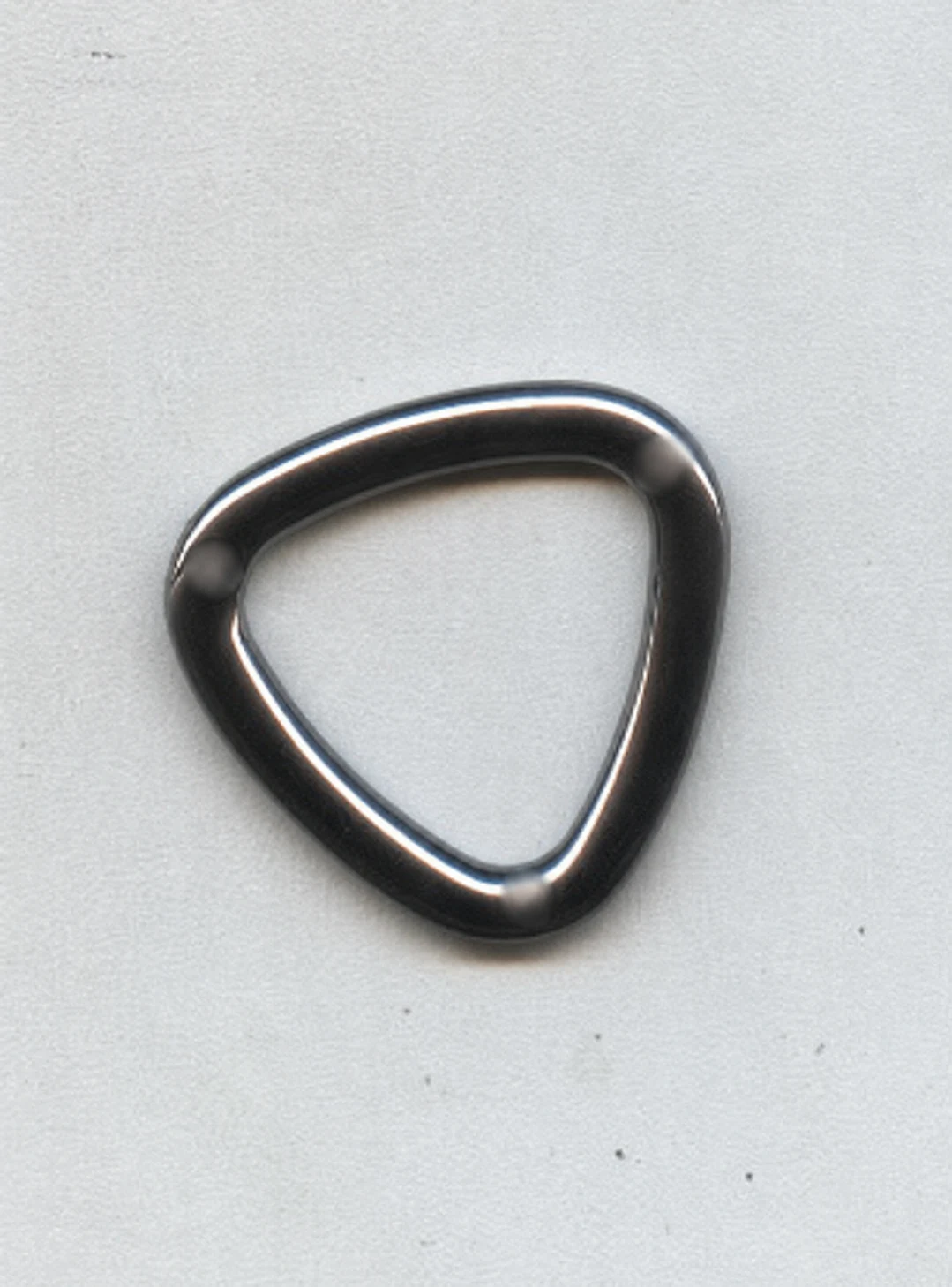
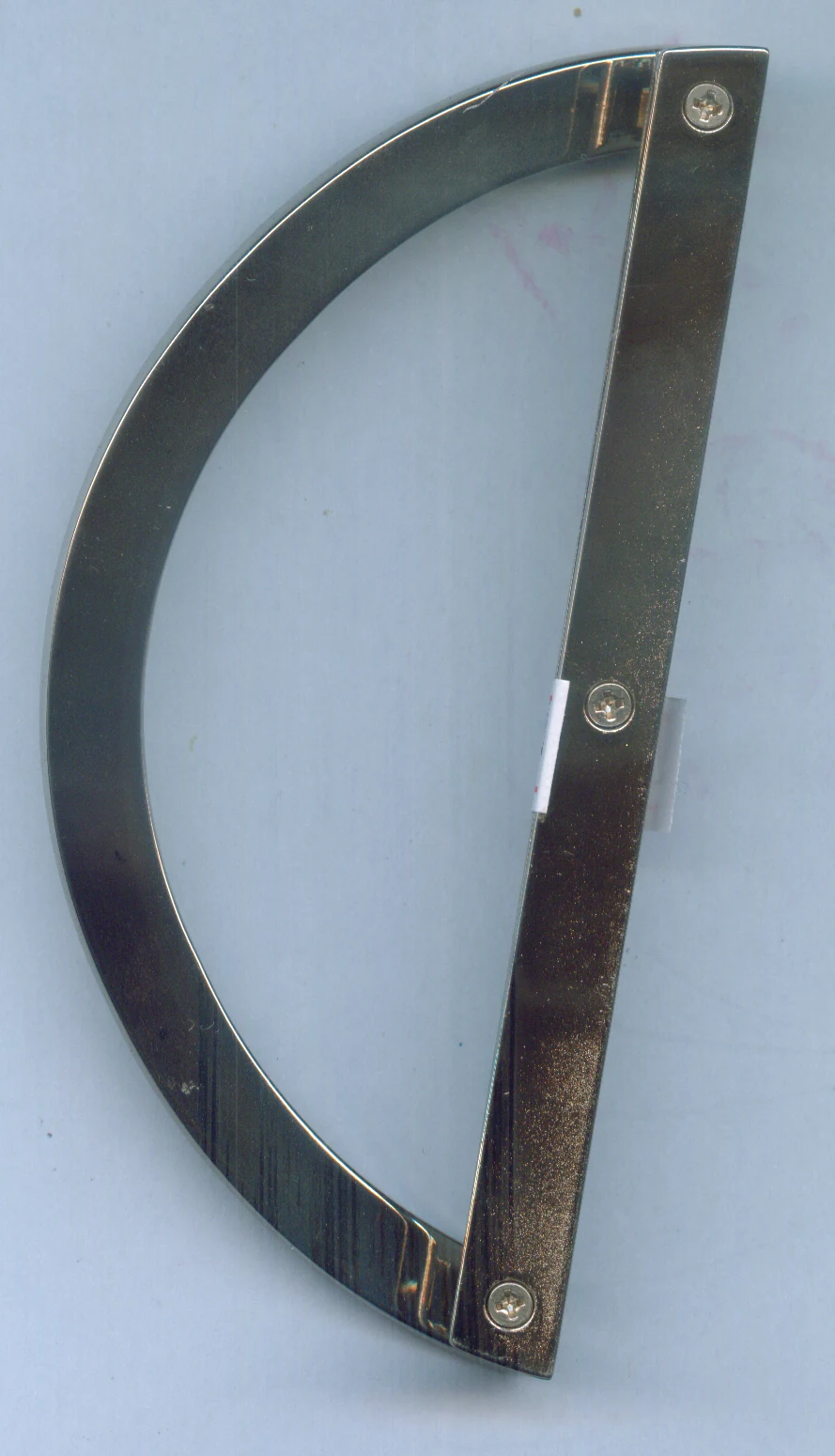
D ring
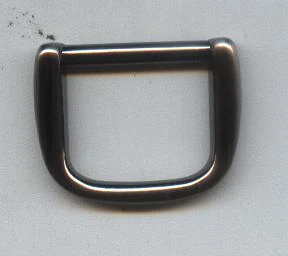
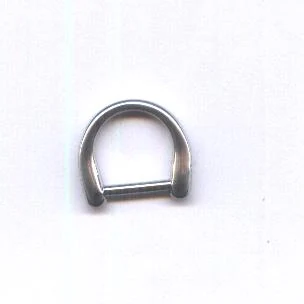
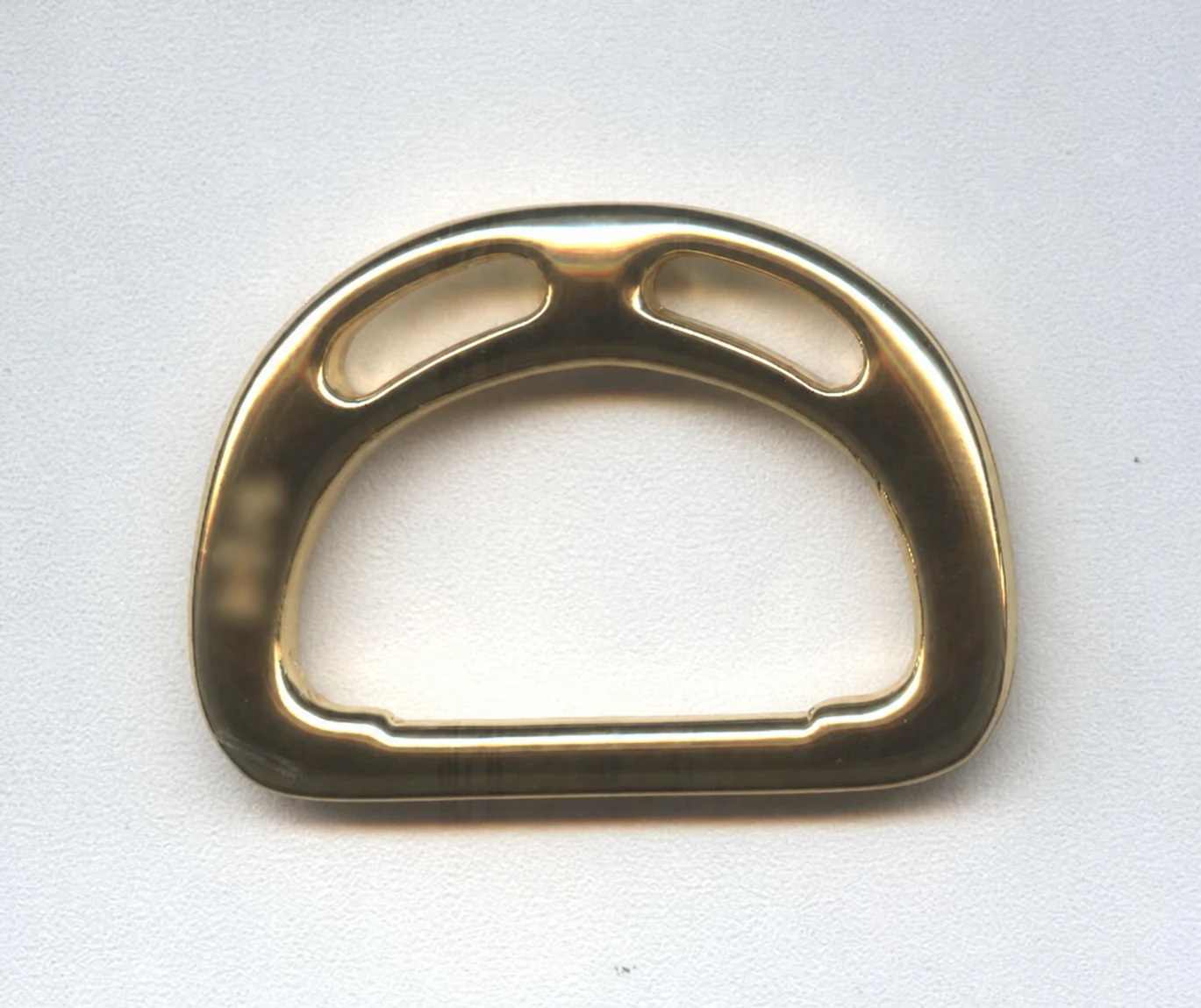
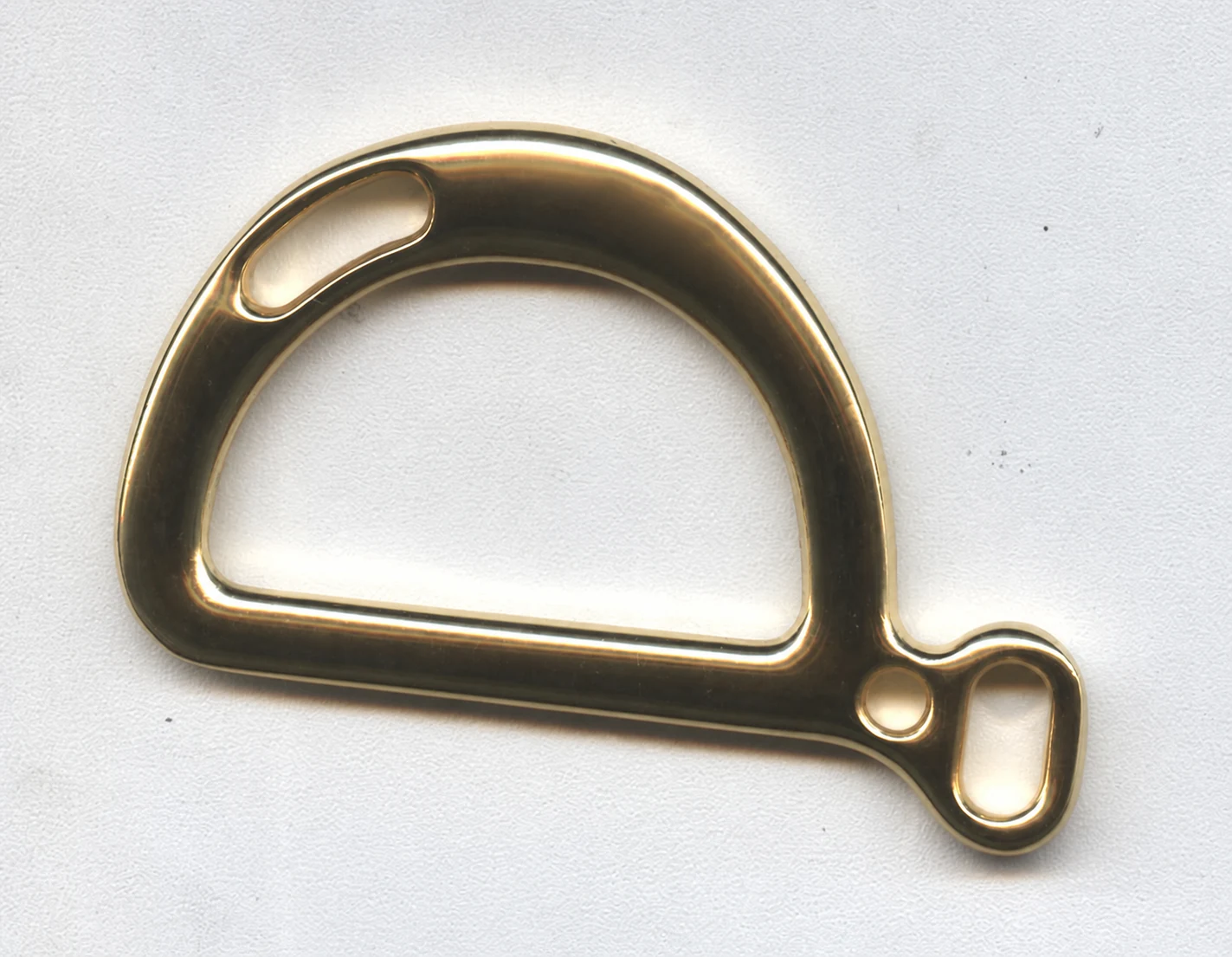
Section titled “D ring”A D-shaped frame with a lower bar. Select the inside width and strap direction.
Common use: guides a strap around a fixed loop; on its own, it does not adjust strap length.
H buckle
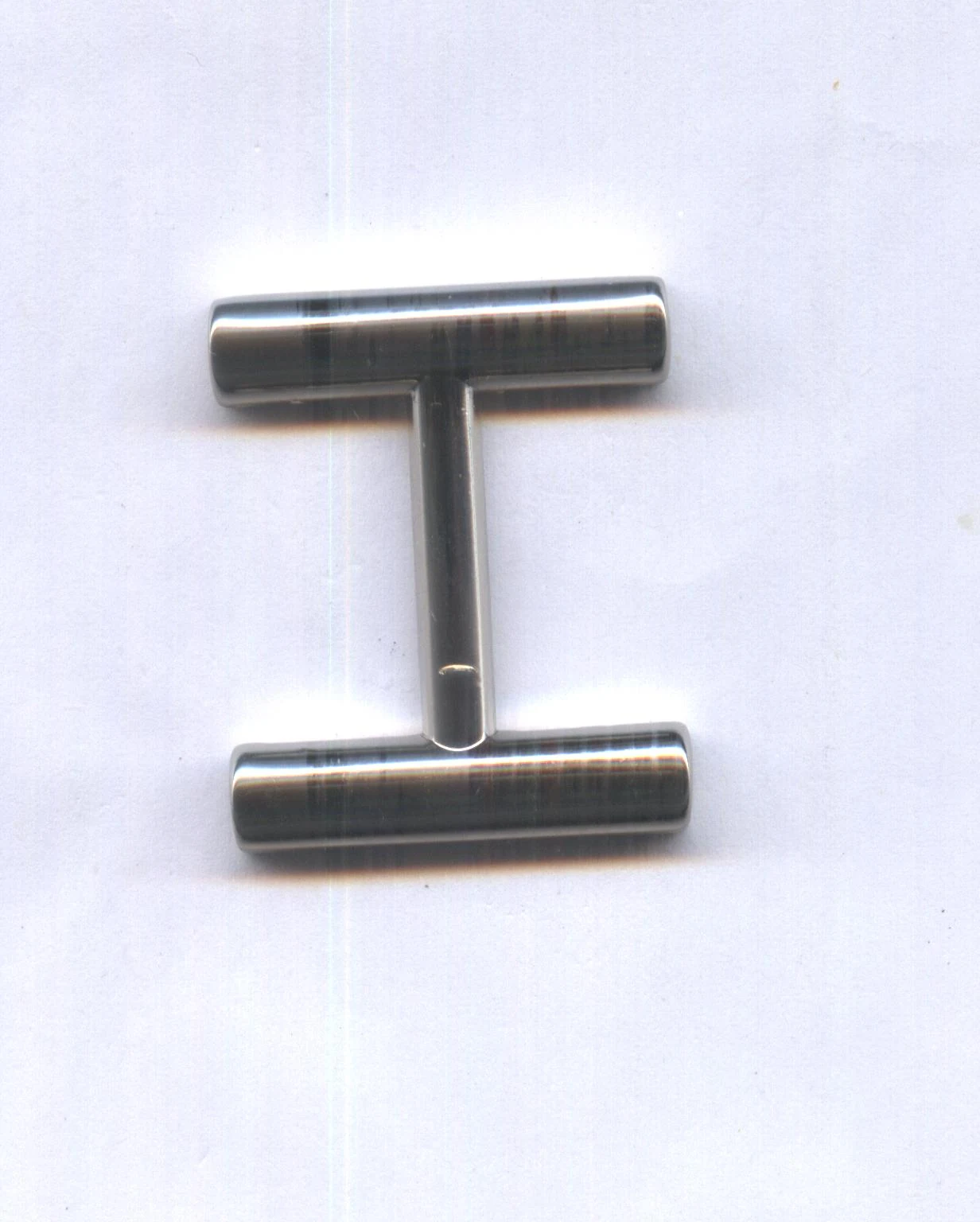
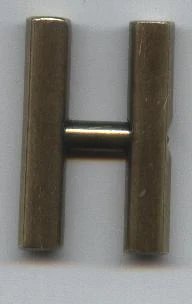
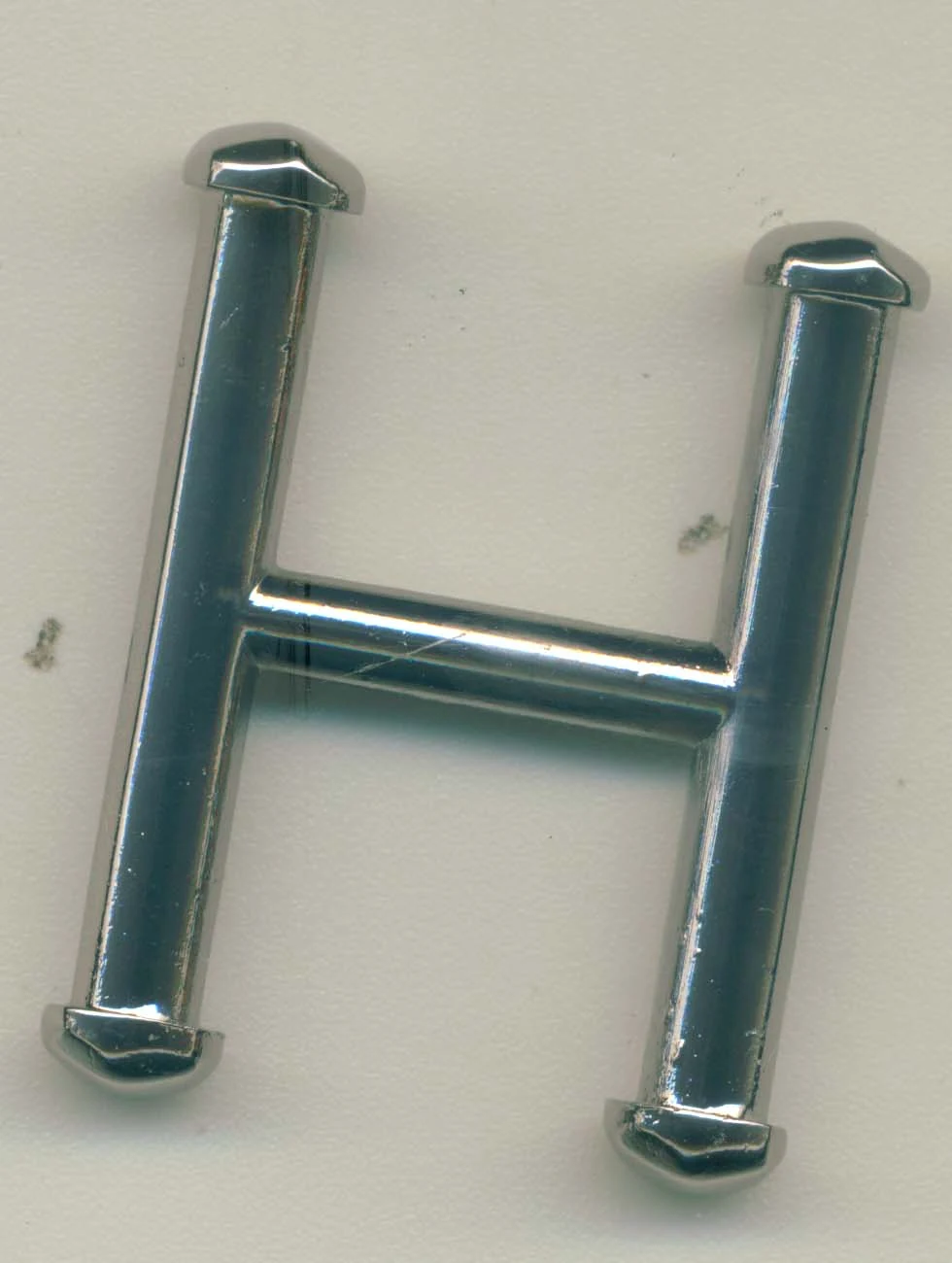
Section titled “H buckle”H-shaped fitting with two parallel openings. Confirm the webbing paths.
Common use: guides two strap paths; compare its two openings with a rectangular or ladder buckle.
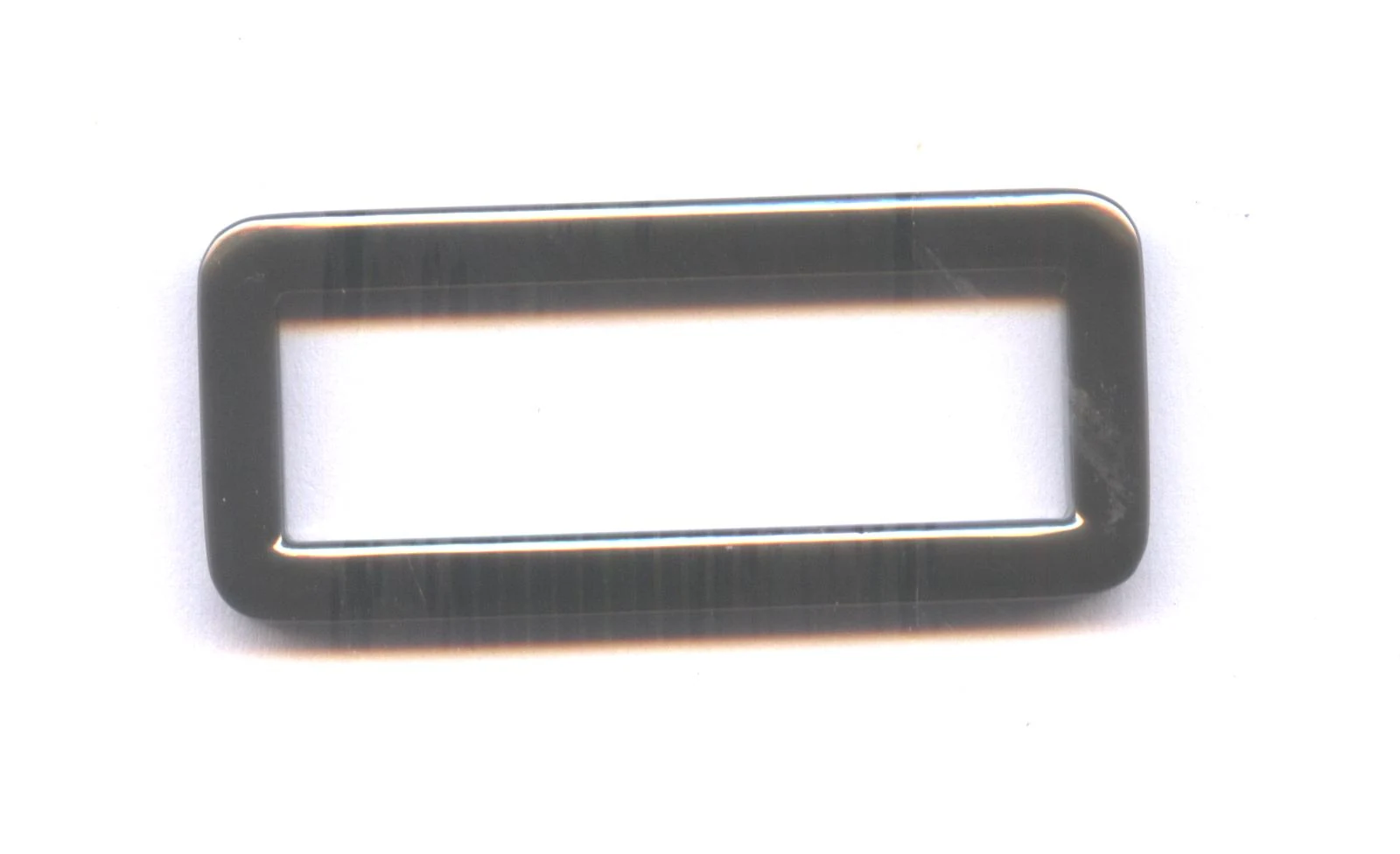
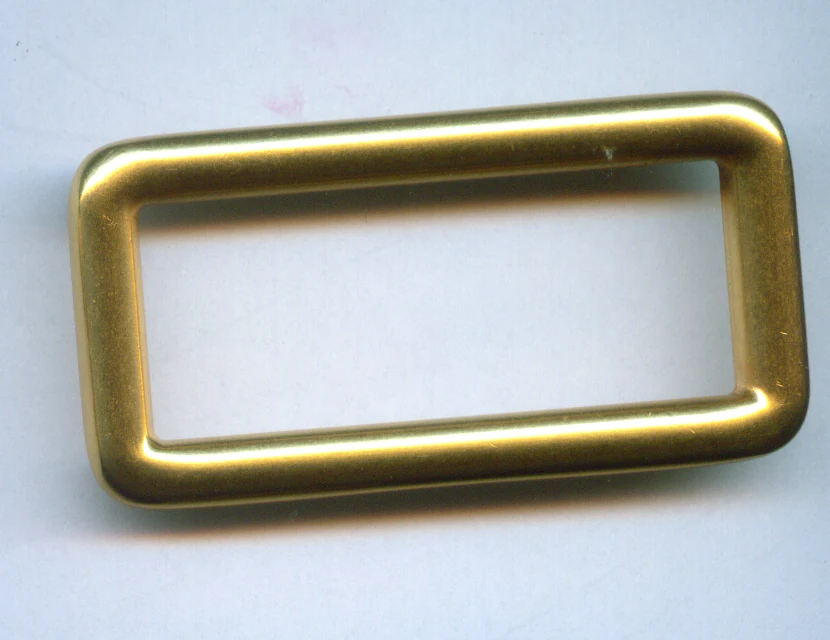
Square buckle
Section titled “Square buckle”Square or rectangular open frame. Match inside dimensions to the strap.
Common use: provides a simple open frame for a strap; unlike a pin buckle, it has no tongue that enters a hole.
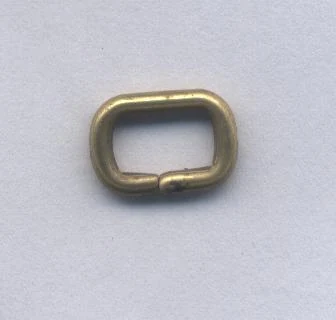
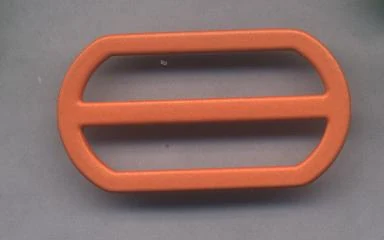
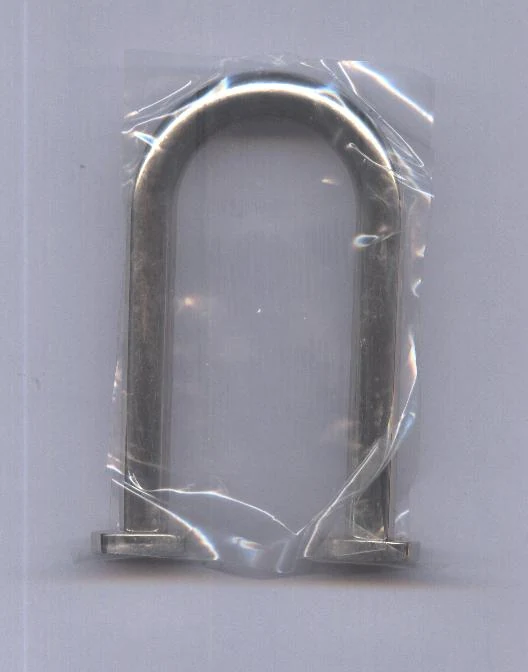
Oval buckle
Section titled “Oval buckle”Slender oval or D-like open ring. Check the intended strap contact area.
Common use: provides a narrow path for a strap or connector; compare its rounded opening with a D ring before selecting it.
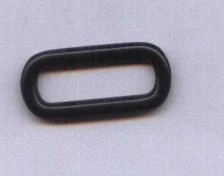
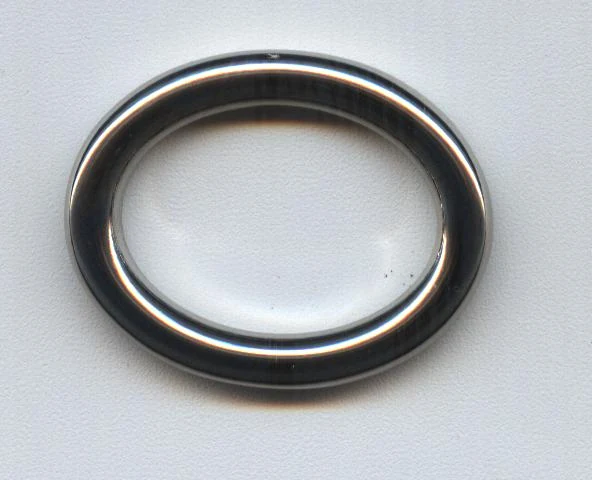
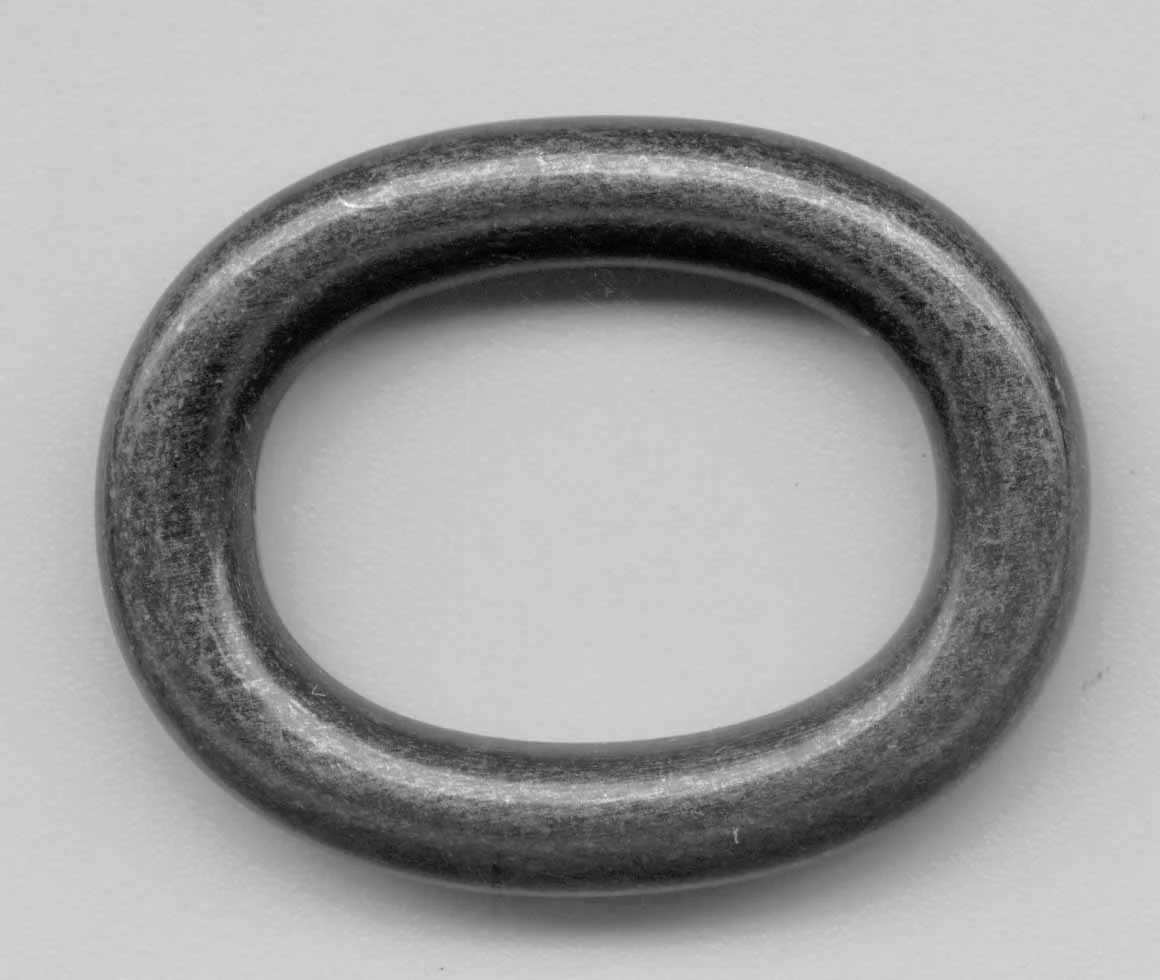
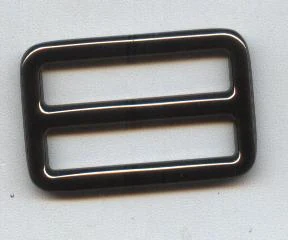
Rectangular buckle
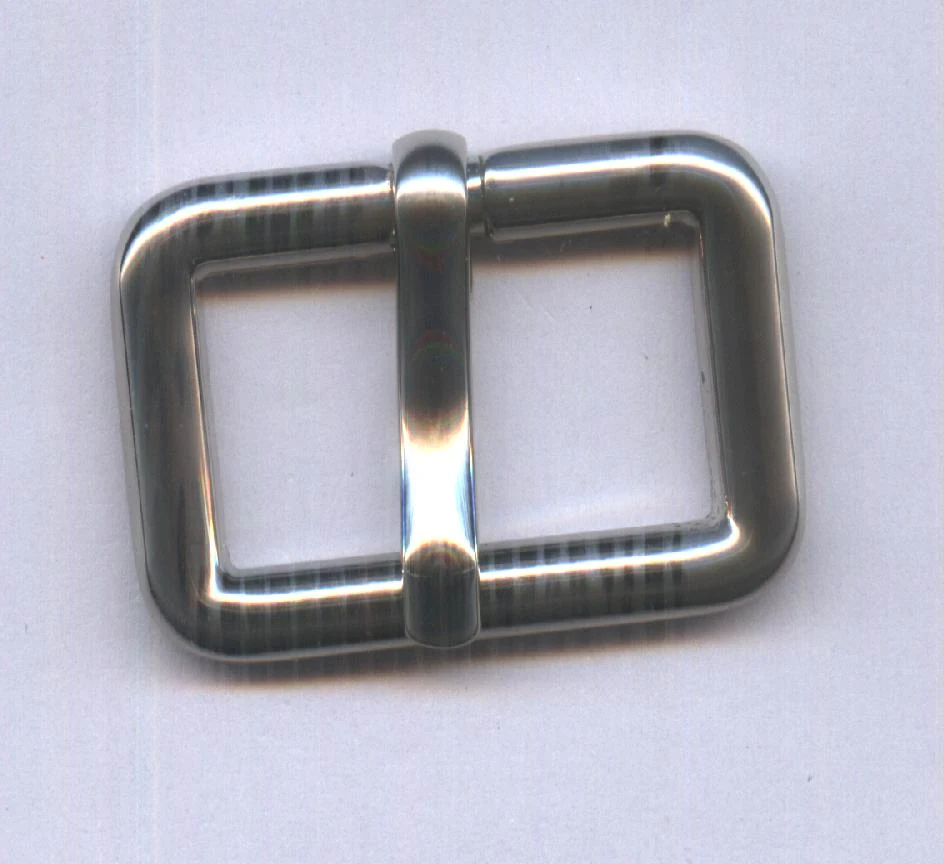
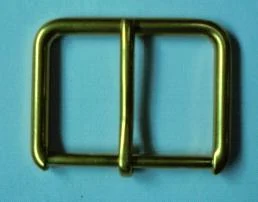
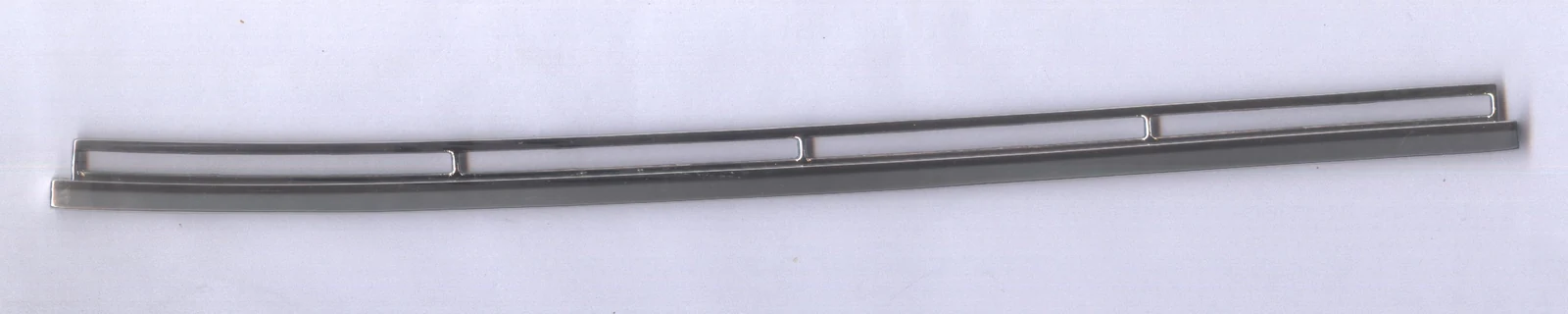
Section titled “Rectangular buckle”Two-window frame with a central bar, used for webbing routing or adjustment.
Common use: guides a strap through two openings, with the central bar separating each pass.
Ladder buckle
Section titled “Ladder buckle”Multi-slot frame, sometimes with grip bars. Confirm the number and direction of strap passes.
Common use: allows a strap to pass through several slots for adjustment; confirm the number and direction of passes.
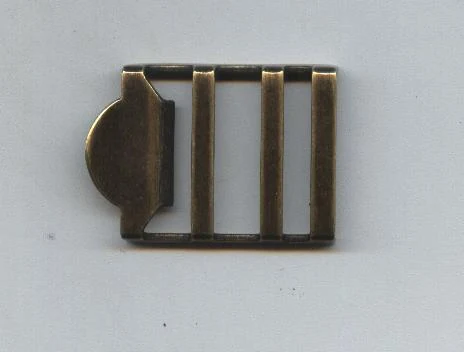
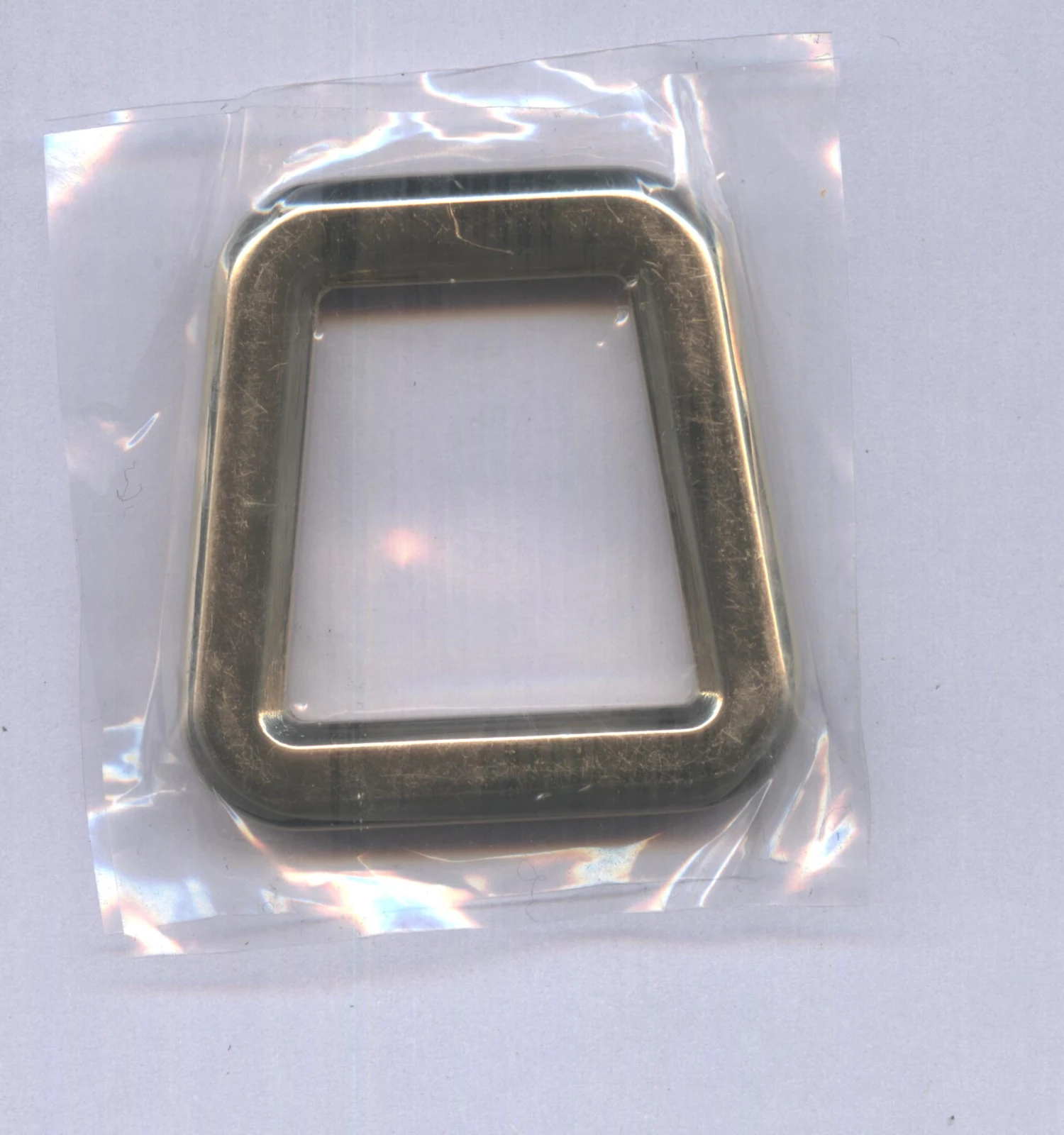
Trapezoid buckle
Section titled “Trapezoid buckle”Multi-section frame, often broader than a rectangular buckle. Check each opening.
Common use: fits a shaped strap path when a straight rectangular frame is not suitable; check every opening.
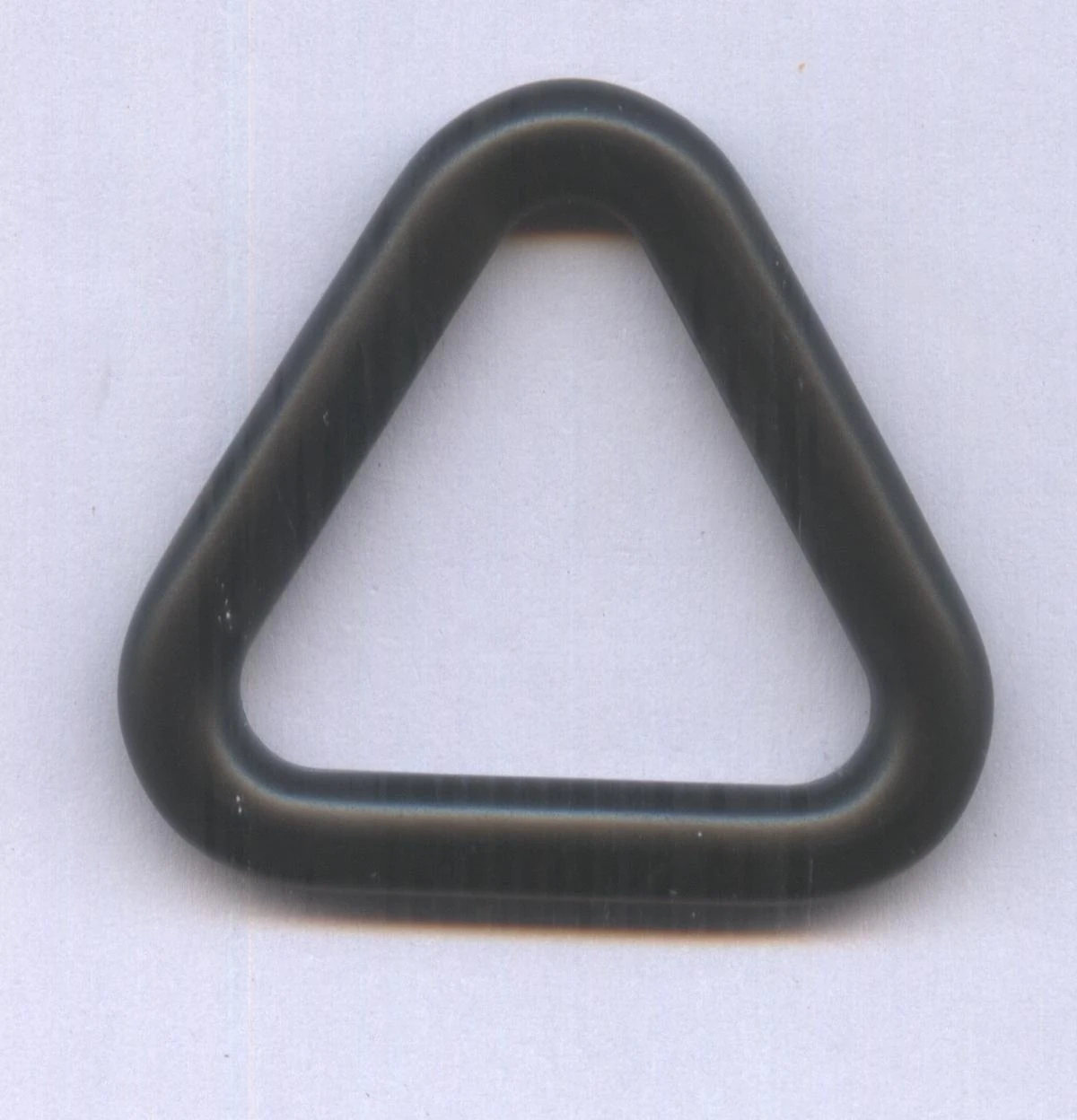
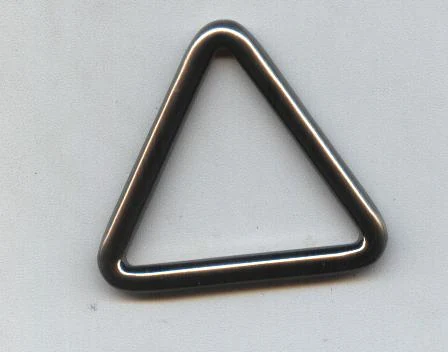
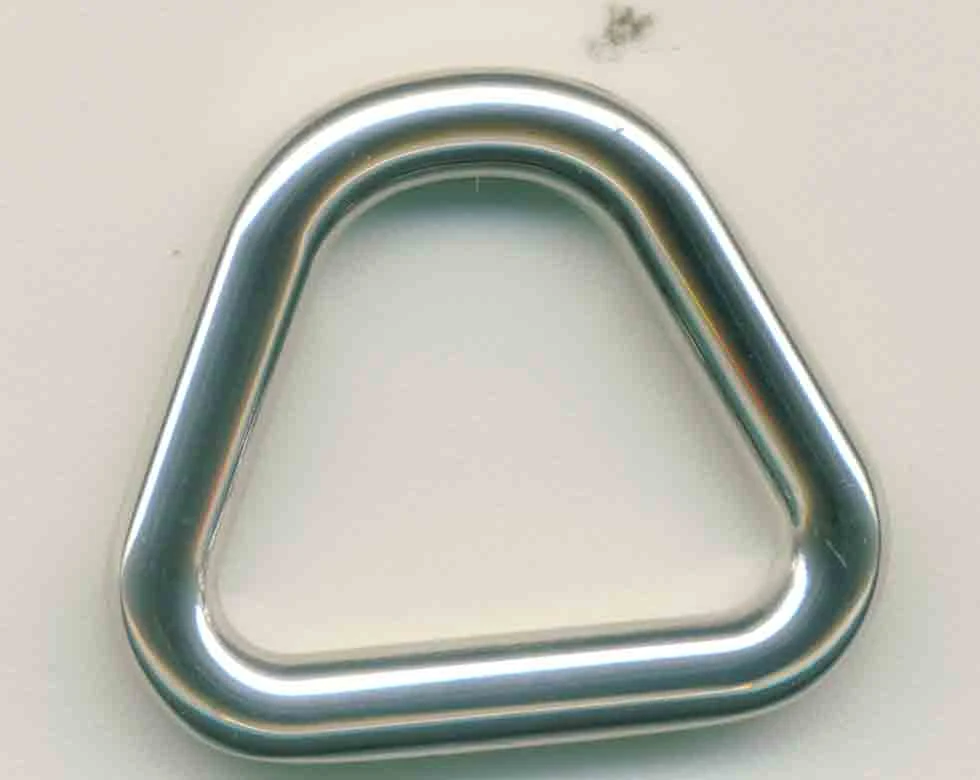
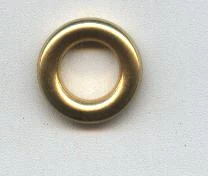
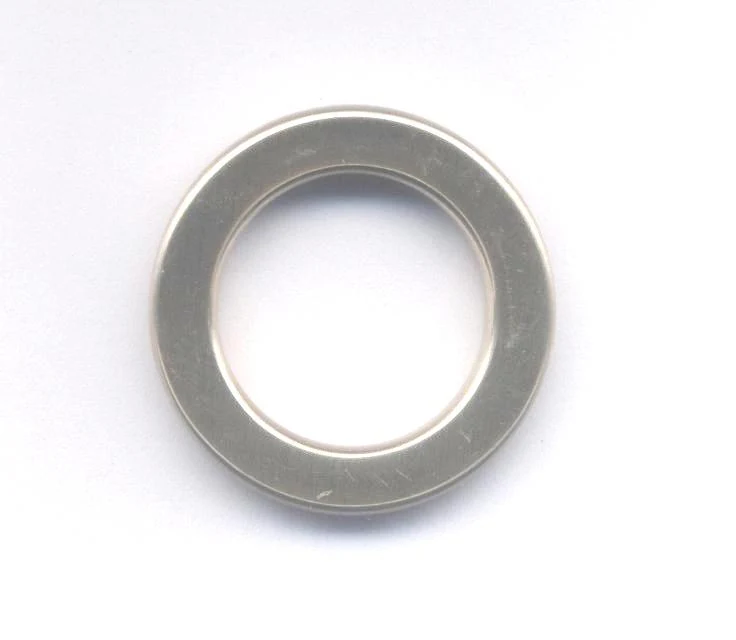
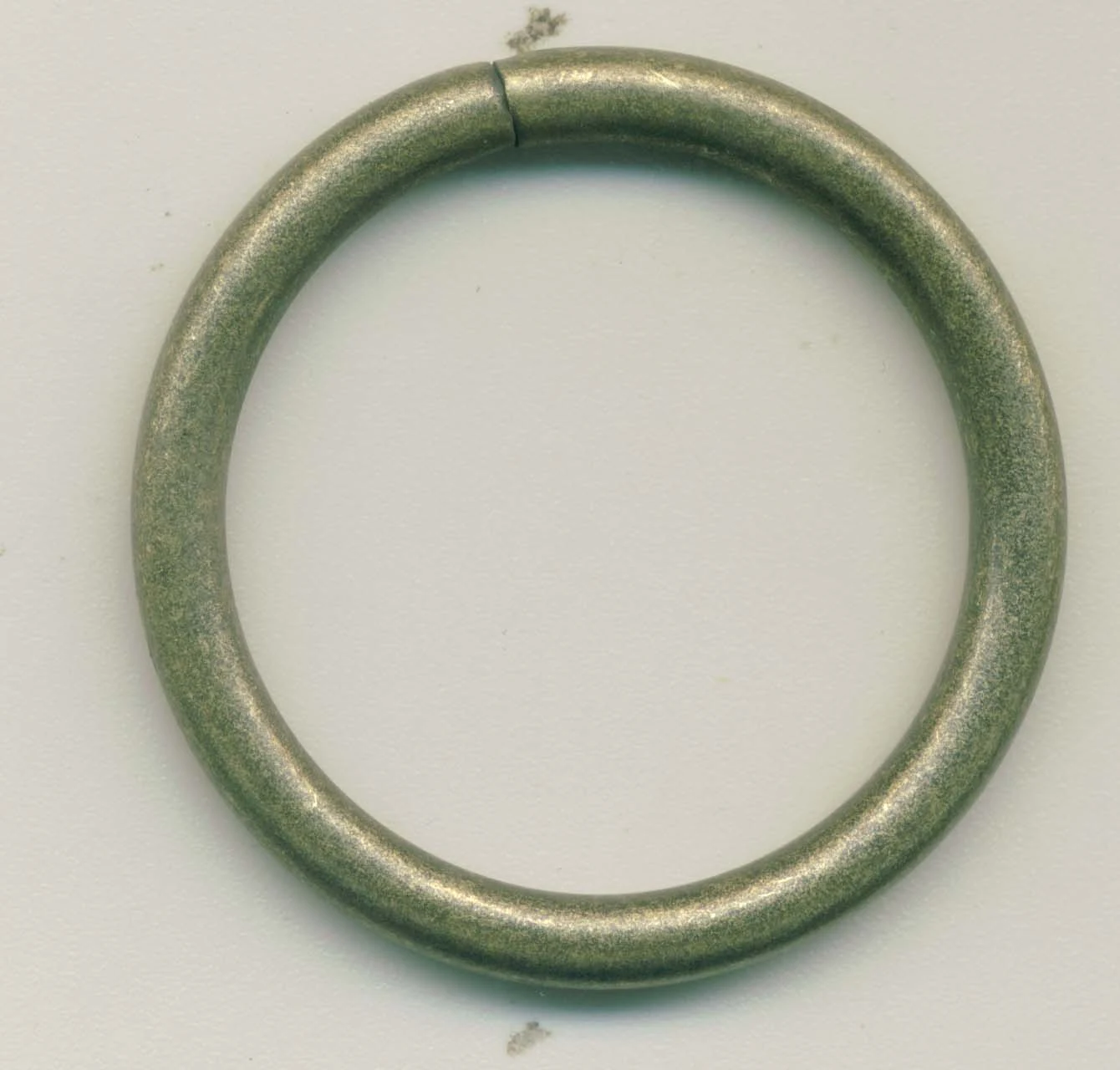
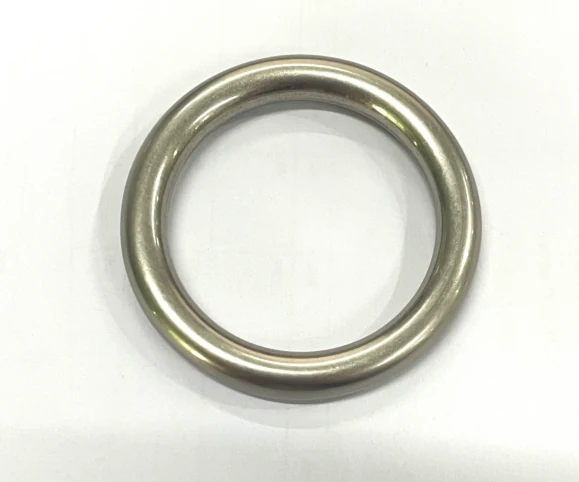
Round ring
Section titled “Round ring”Closed circular ring. Choose wire section and load direction.
Common use: provides a closed connection point for a strap, chain or hook; it has no adjustment bar.
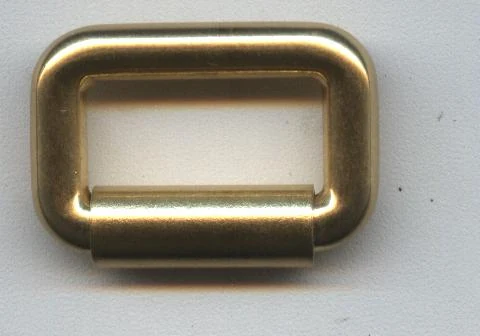
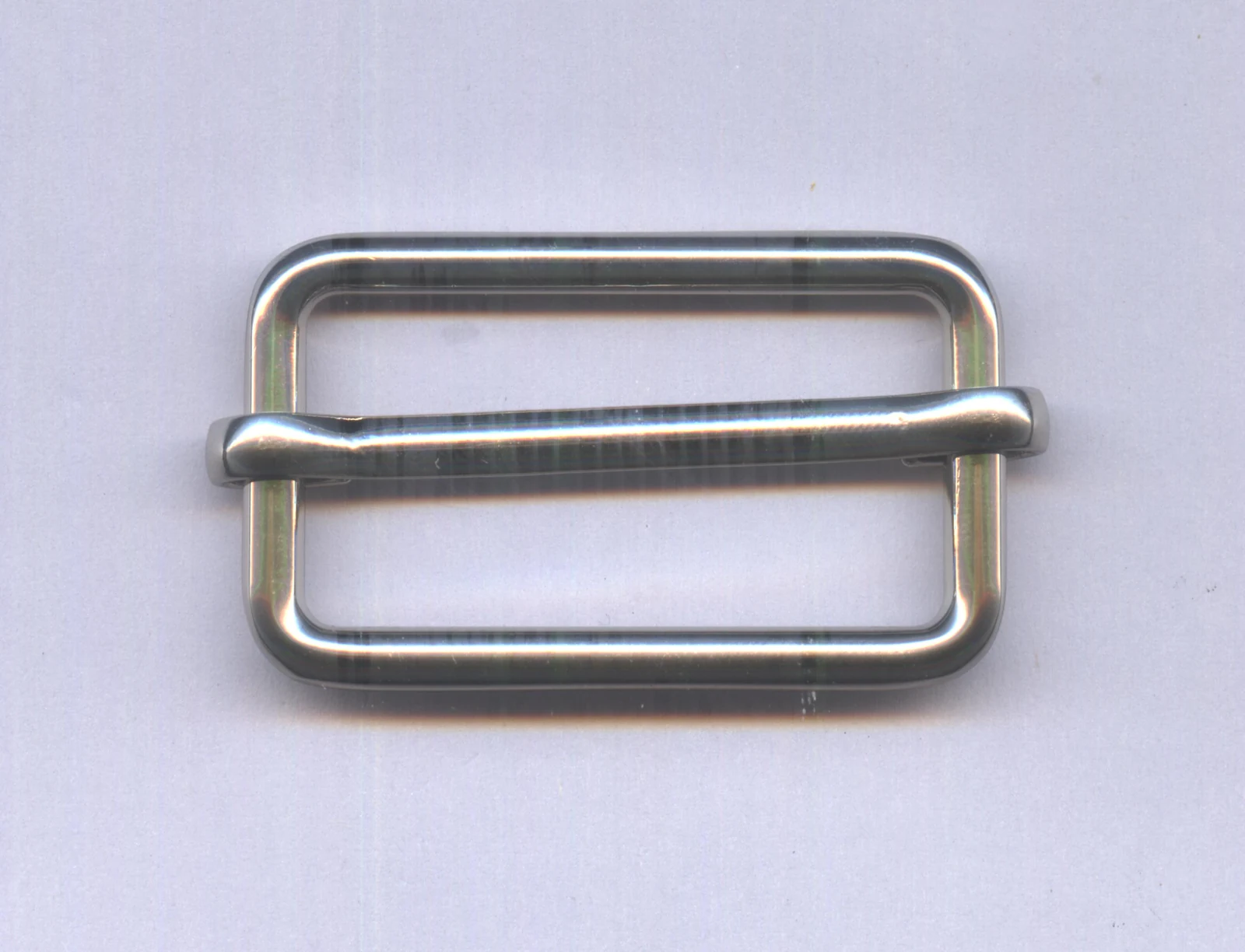
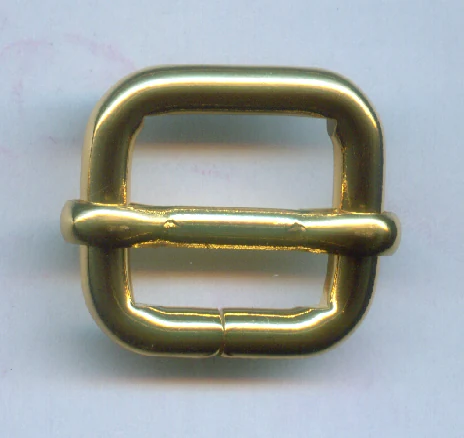
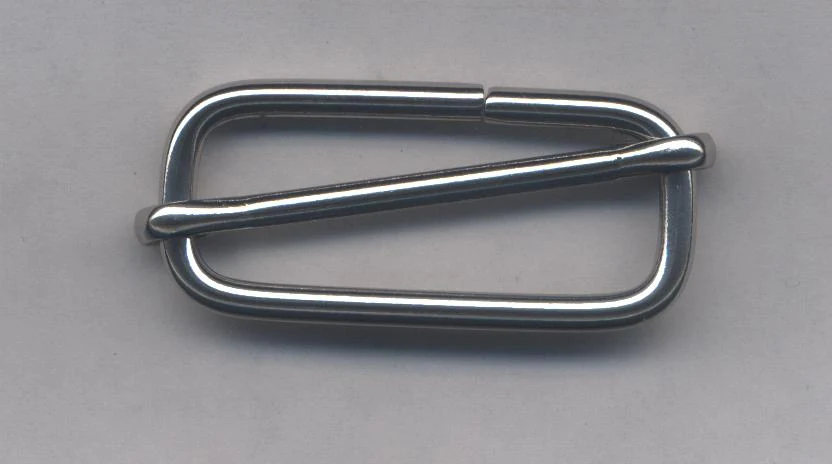
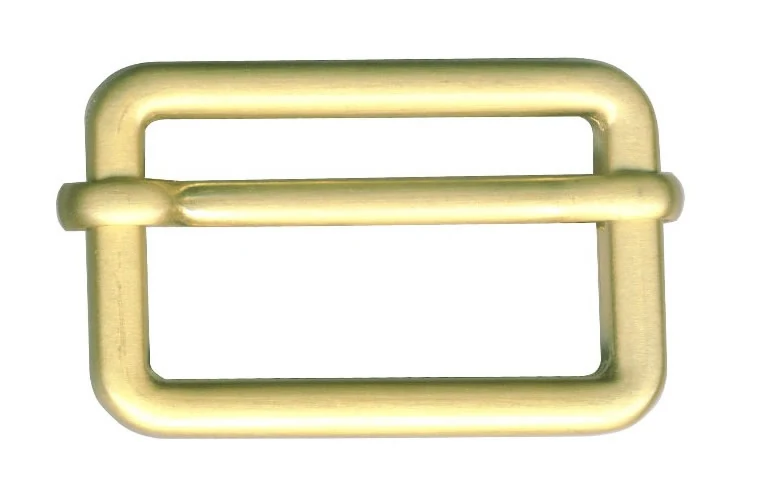
Pull-core buckle
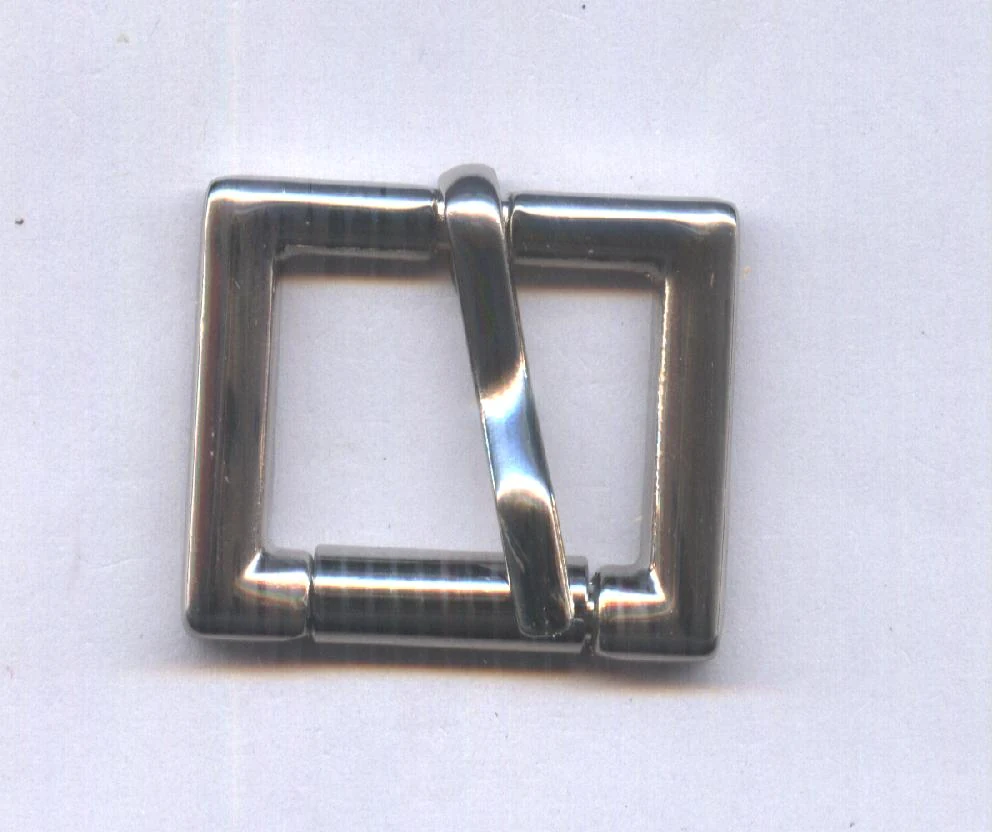
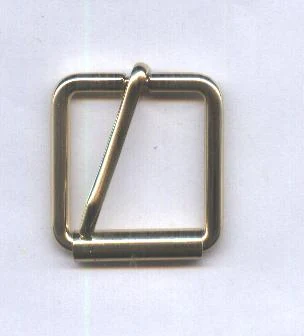
Section titled “Pull-core buckle”A frame with a central core bar. Confirm whether the core must move before specifying the part.
Common use: adjusts a strap around a central movable bar; confirm whether the core must slide or remain fixed.
Pin buckle
Section titled “Pin buckle”Frame with a tongue or pin for a hole pattern. Verify pin position and strap thickness.
Common use: closes a strap by passing the tongue through one of a series of holes, as on a belt.
Belt buckle
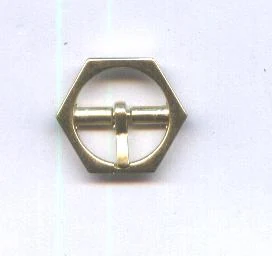
Section titled “Belt buckle”Larger buckle or closure for a belt. Define fastening action and bearing area.
Common use: closes and adjusts a belt or similar strap; confirm the fastening action rather than assuming it is a pin buckle.
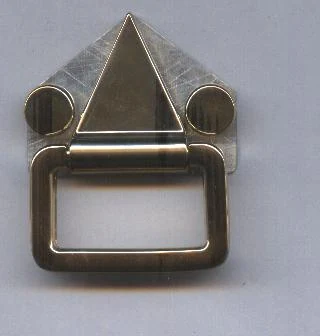
Handle buckle
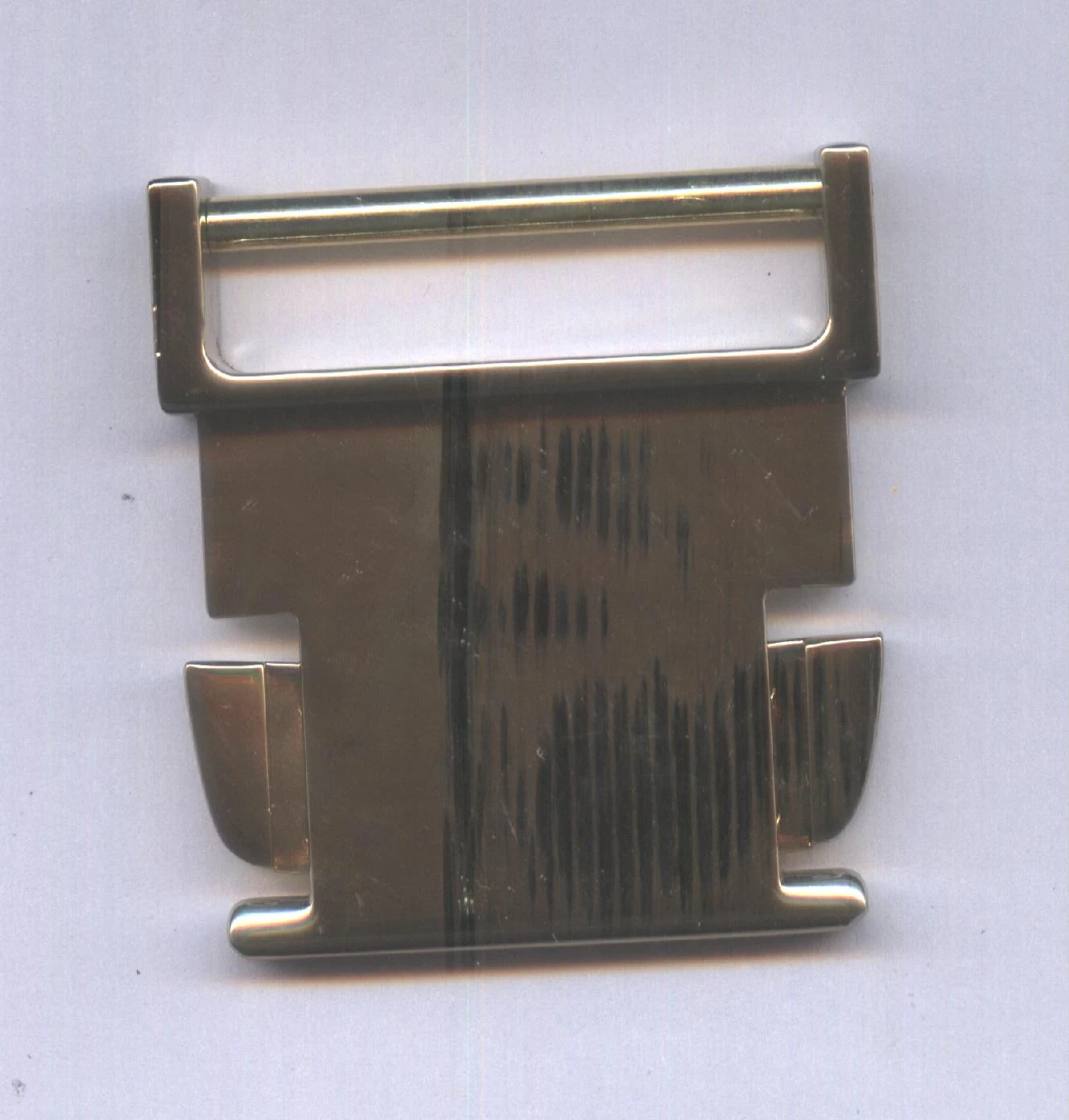
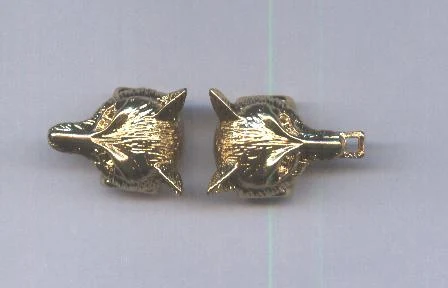
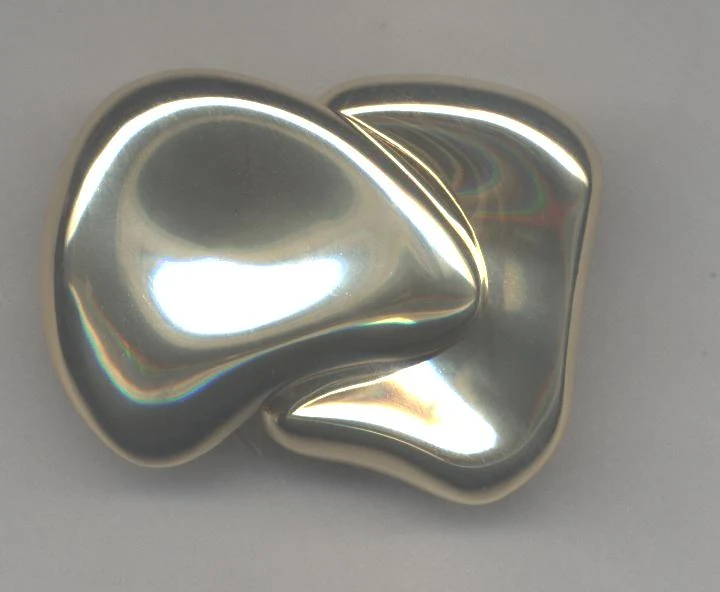
Section titled “Handle buckle”Fitting used to join, retain or decorate a handle. Confirm its mounting points and load direction.
Common use: joins or retains a handle attachment; check its mounting points against the handle construction.
Choosing a buckle or ring
Section titled “Choosing a buckle or ring”Start with the required action: guide a strap, join two ends, adjust its length or close a belt. Match the opening to the strap and identify which bar or pin moves. These parts are used on bags, belts, luggage and other strap assemblies.
Easy mix-ups
Section titled “Easy mix-ups”A D ring or round ring mainly provides a path for a strap or connector. A buckle adds a bar, slot or tongue for routing or adjustment.