
Locks & Closures
These parts allow a user to close, secure or release a bag, case, pouch, box or cover. Start with the action—press, twist, slide, pull, use a magnet or turn a key—then compare the two mating parts and the available mounting space.
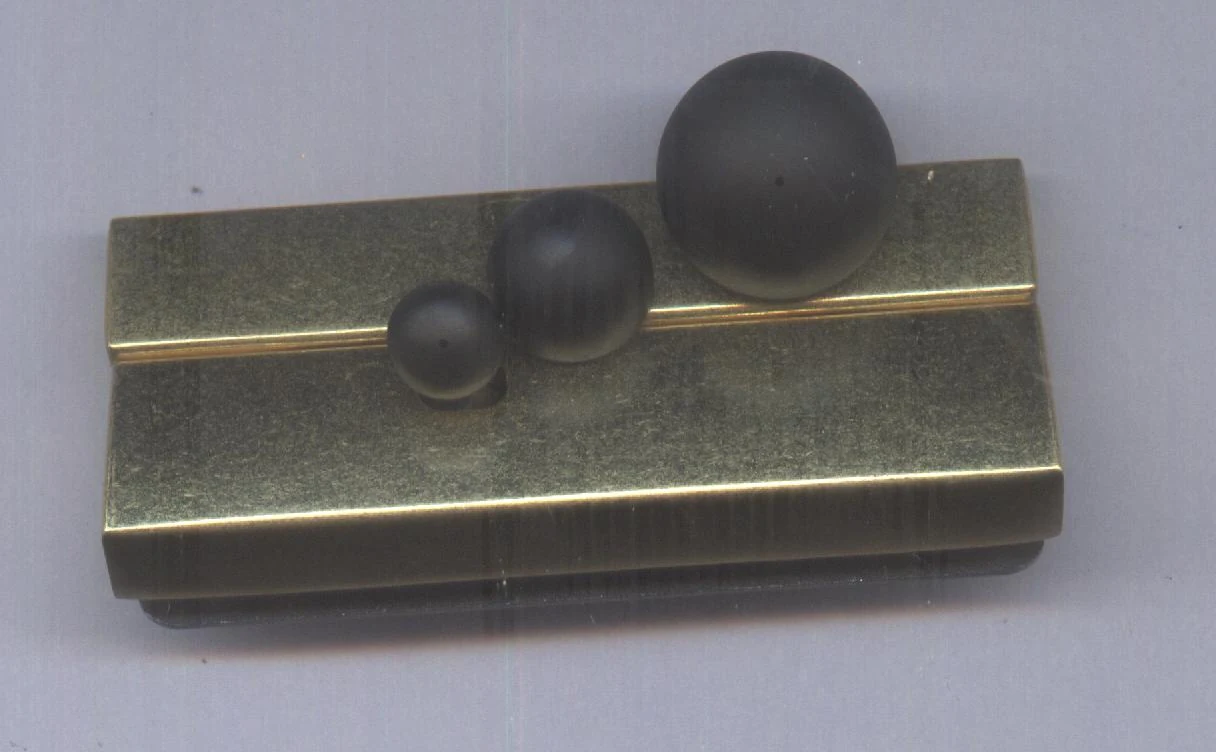
Insert lock
Section titled “Insert lock”Male and female parts that engage through insertion. Verify the engagement depth and release action.
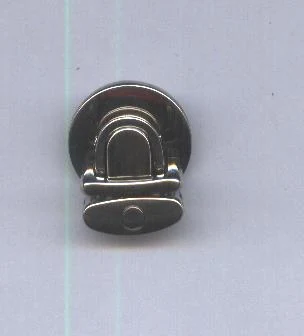
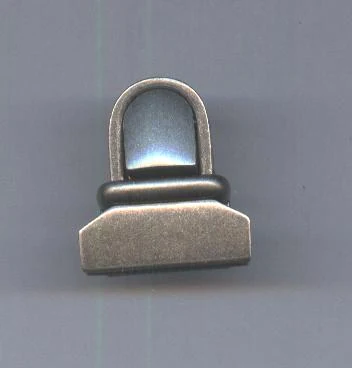
Twist lock
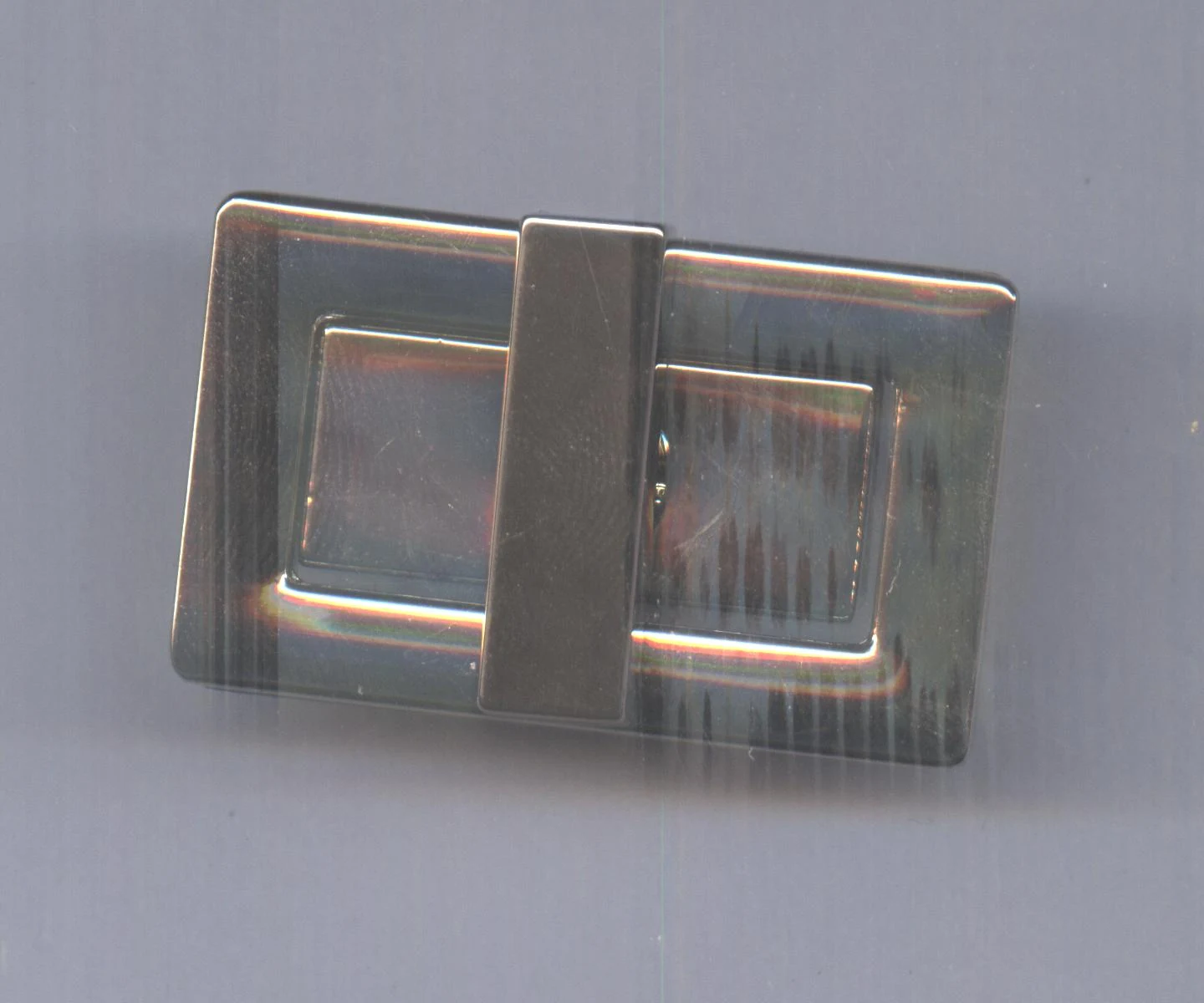
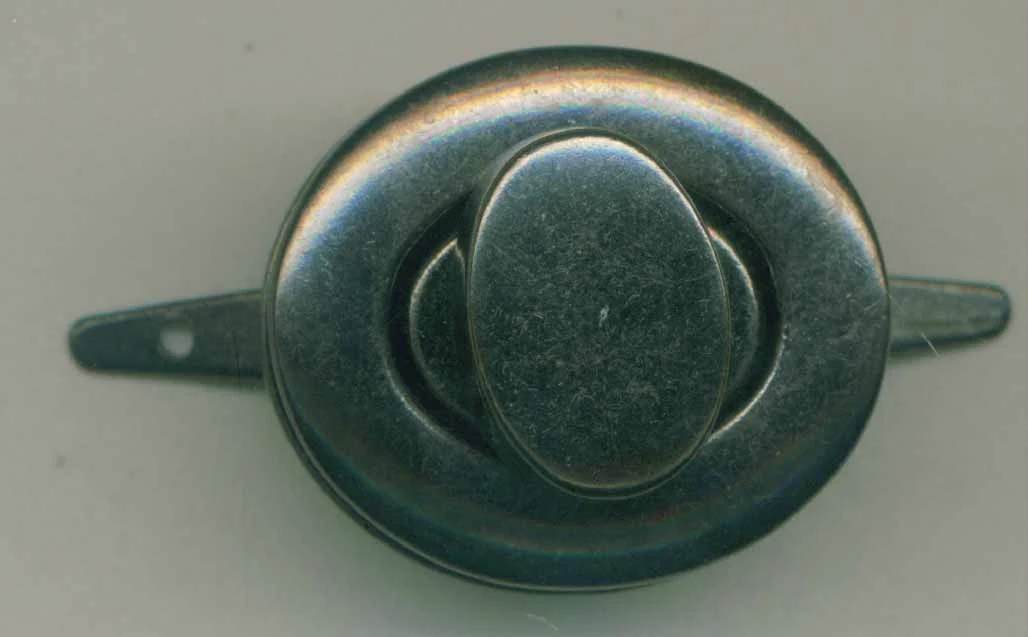
Section titled “Twist lock”A closure with a rotating element. Confirm its travel, stop position and clearance.
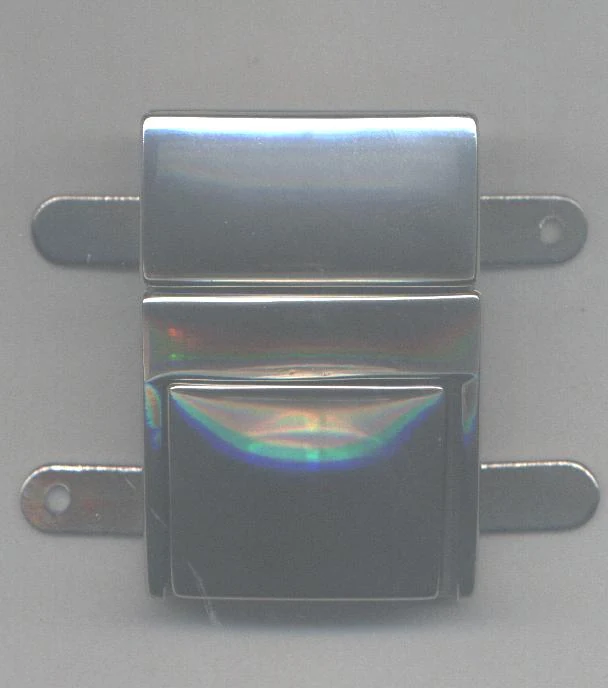
Press lock
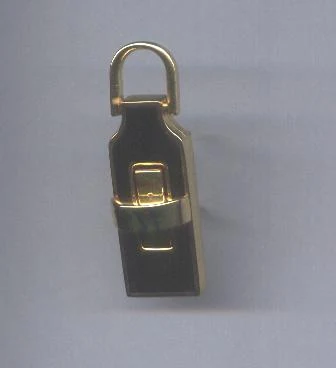
Section titled “Press lock”A closure that latches by pressing or snapping. Test the opening force and repeated operation.
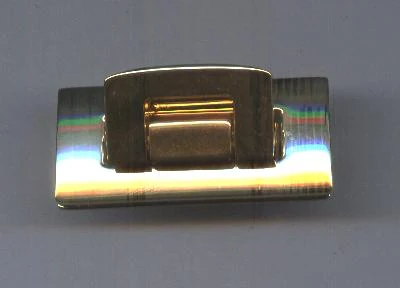
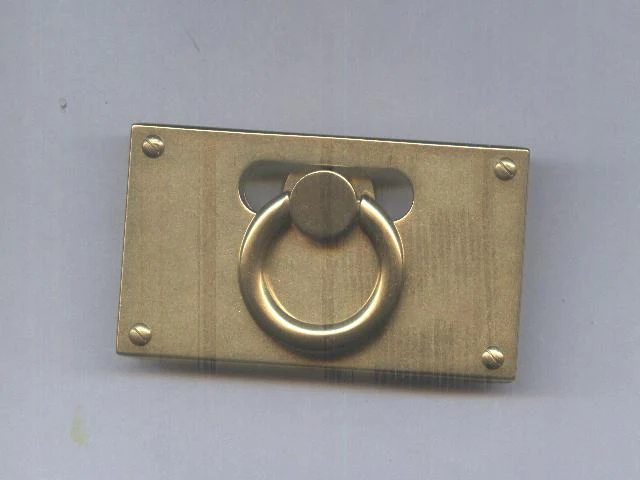
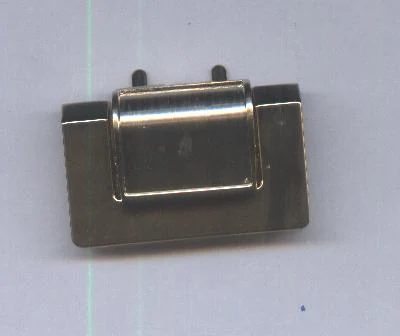
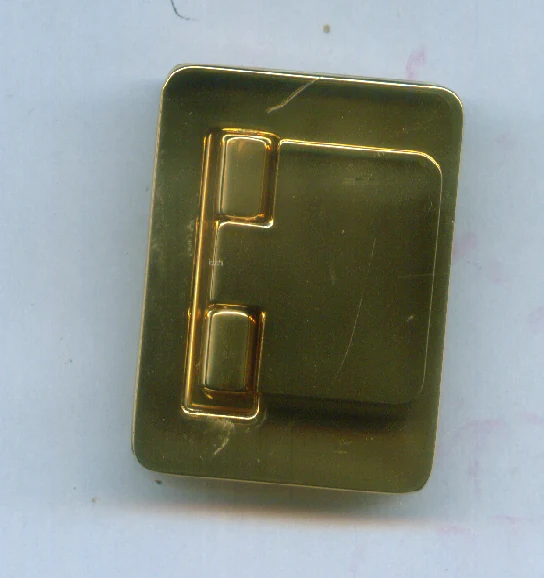
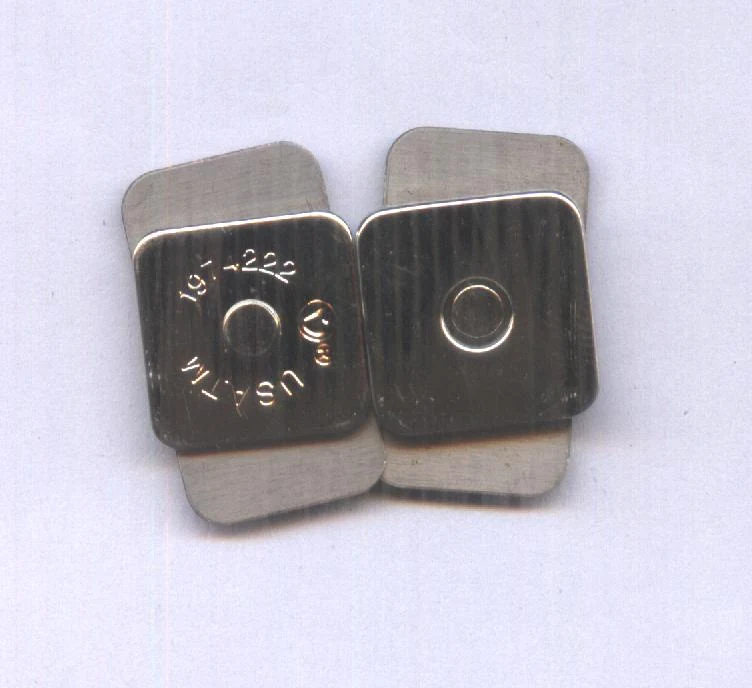
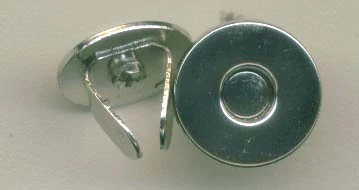
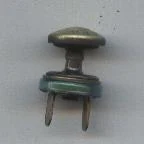
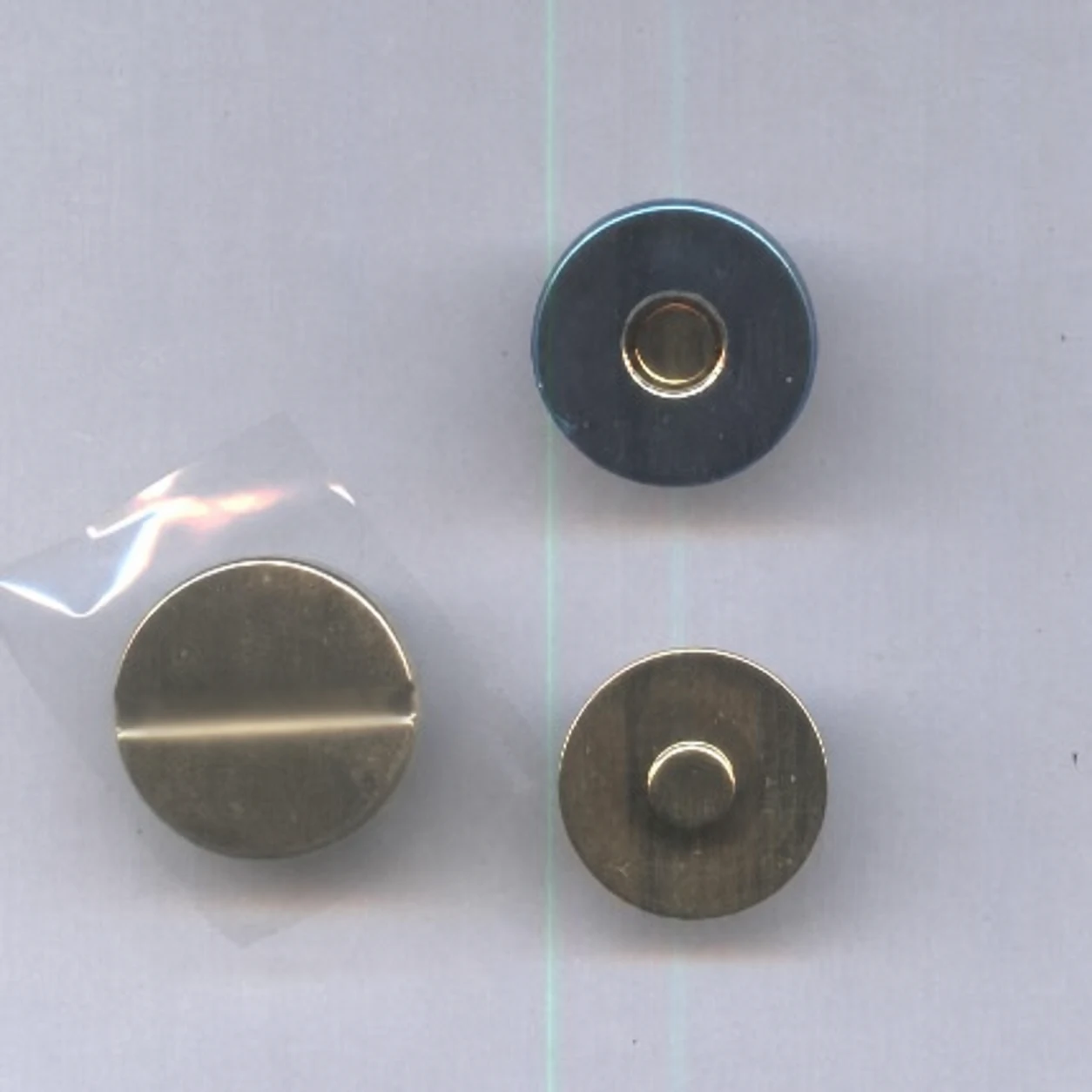
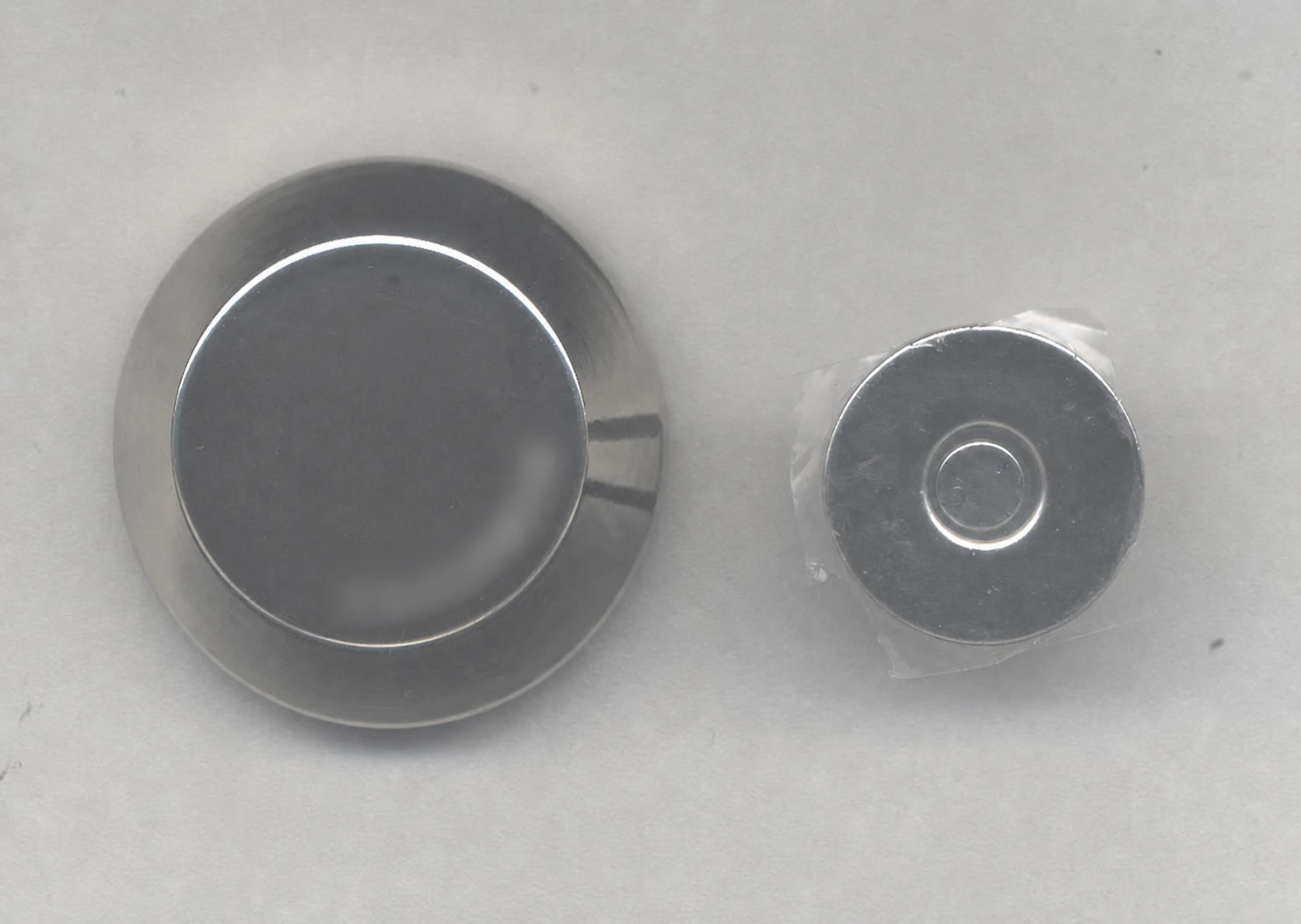
Magnetic snap
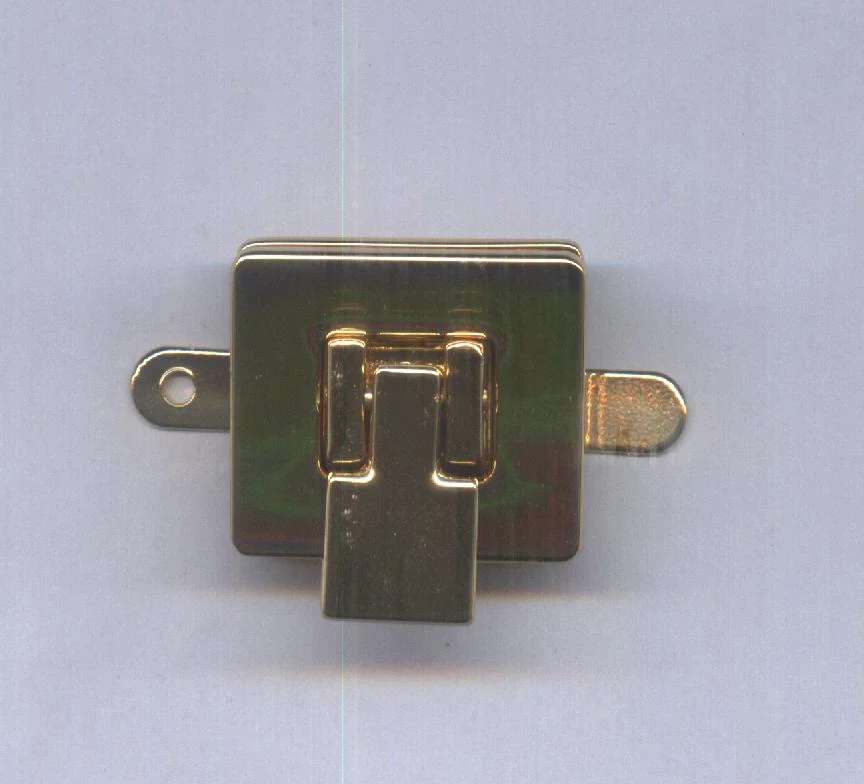
Section titled “Magnetic snap”Two mating parts held together by magnets. Check the alignment, gap and retention in the main product.
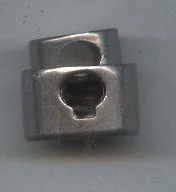
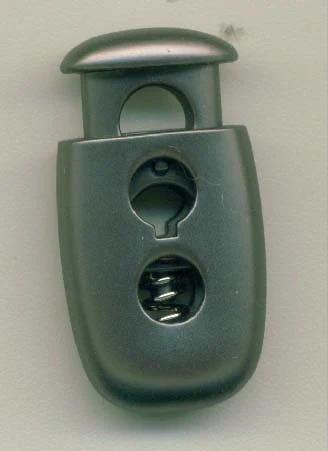
Drawstring stopper
Section titled “Drawstring stopper”A part with cord passages and a spring-operated release. Match the hole size to the cord.
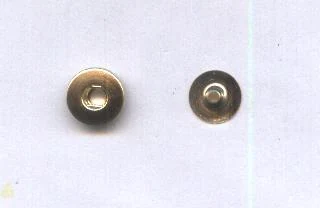
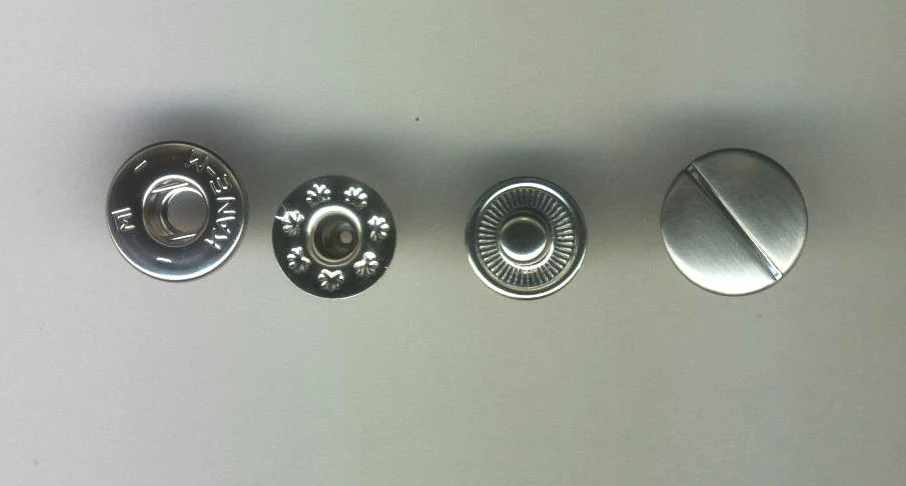
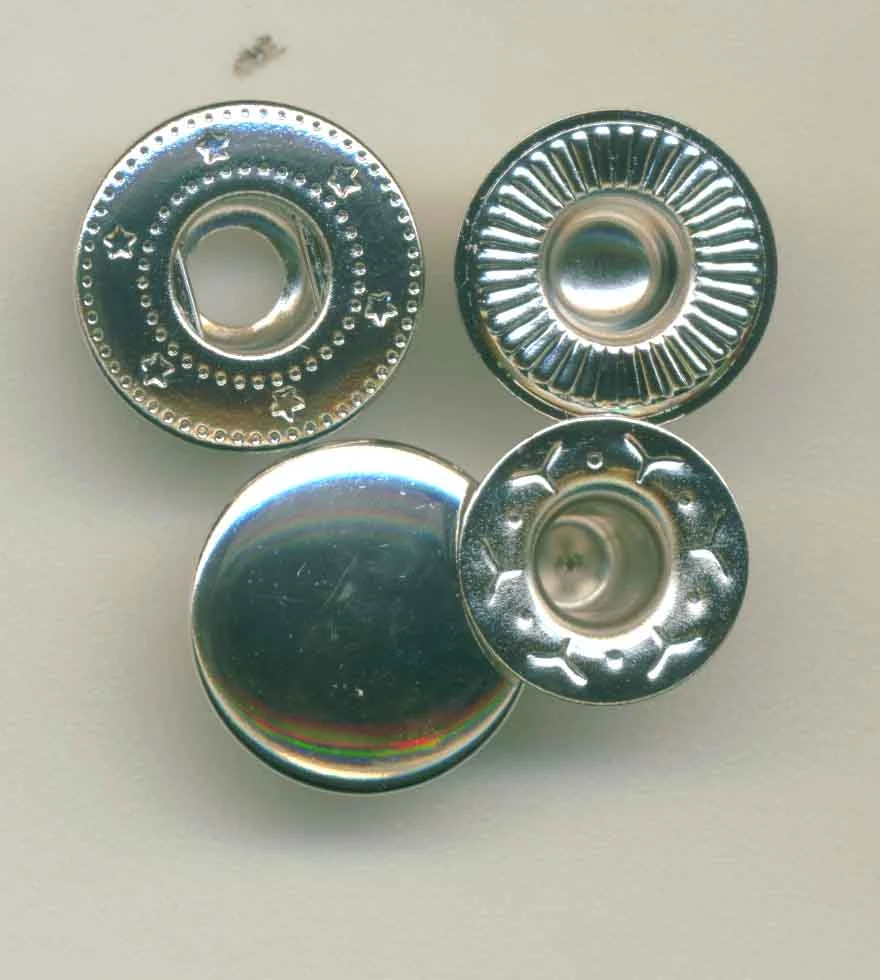
Snap fastener
Section titled “Snap fastener”A male-and-female press-stud closure. Select it according to the material thickness and setting method.
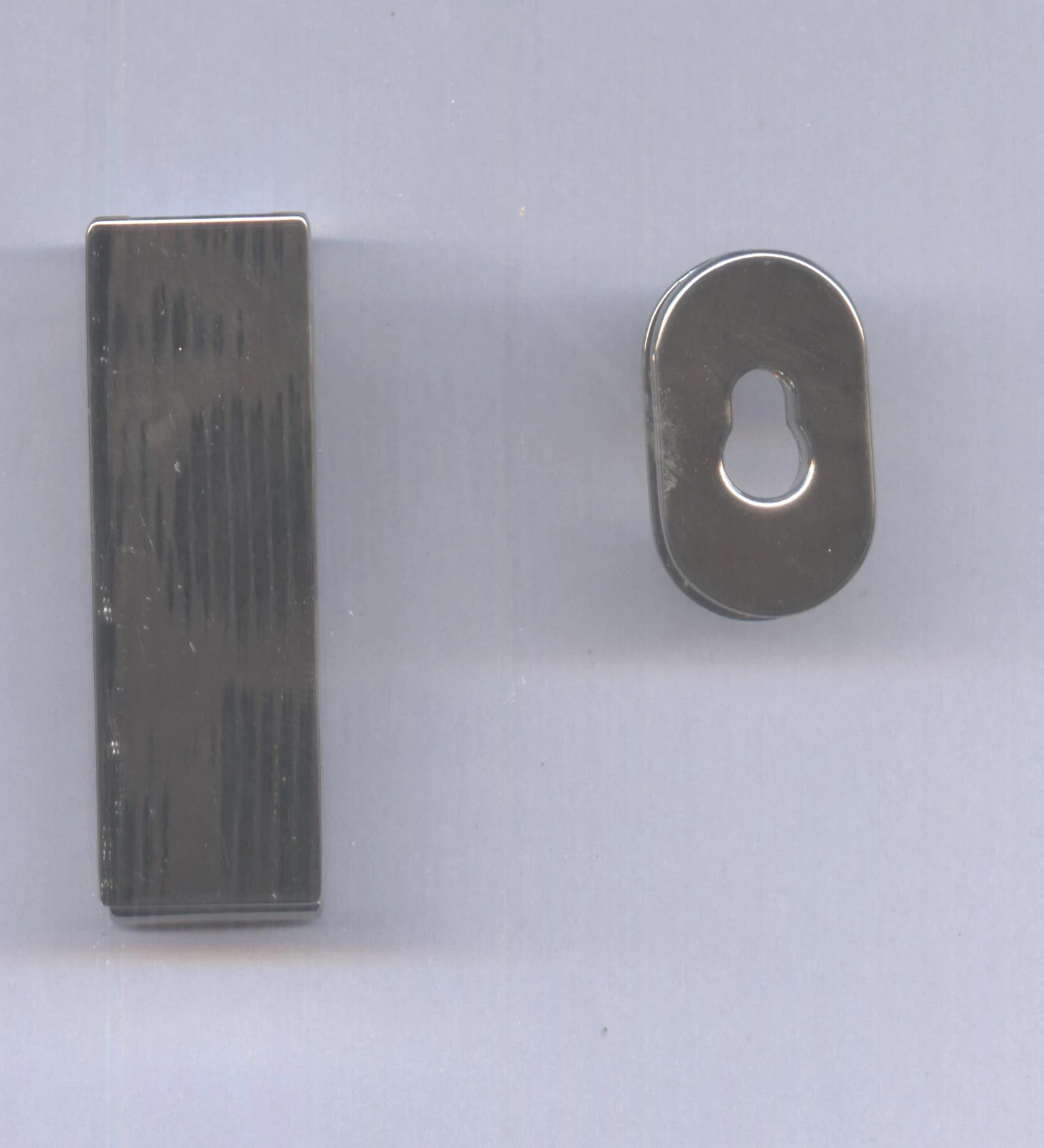
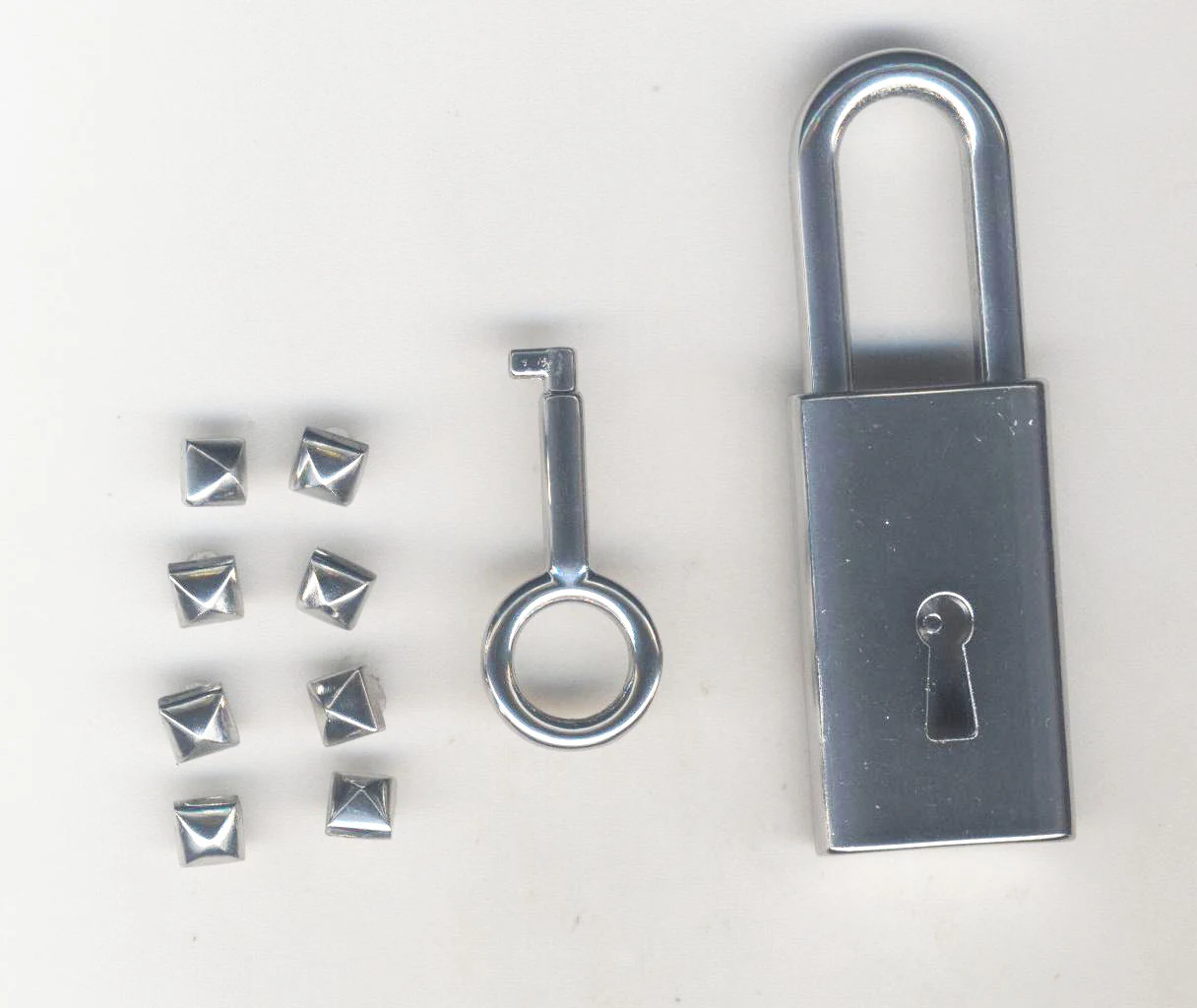
General lock
Section titled “General lock”A general label for a closure that has not yet been assigned a more specific action. Confirm it with a drawing or sample.
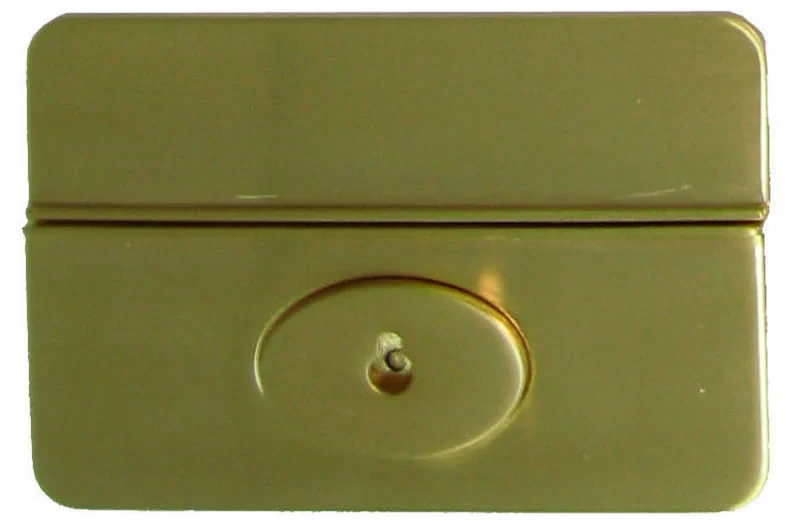
Leaves joined by a pin to permit rotation. Define opening angle, clearance and mounting holes.
Choosing a closure
Section titled “Choosing a closure”Start with the user action: press, twist, slide, pull a cord, use a magnet or insert a key. Check the two mating parts and the space available on the product. These forms commonly appear on bags, cases, pouches, boxes and hinged covers.
Easy mix-ups
Section titled “Easy mix-ups”A magnetic snap holds two faces together but is not the same as a mechanical lock. A hinge controls movement but does not necessarily close it.
Related terms
Section titled “Related terms”Product categories · Hardware structures · Inspection and testing