
Color Difference
Colour difference means that a part appears or measures differently from the approved reference. In a decorative set, parts can appear mismatched even when each is close to the named colour. Lighting, texture, gloss, viewing direction and nearby materials all affect colour perception.
Make a usable reference
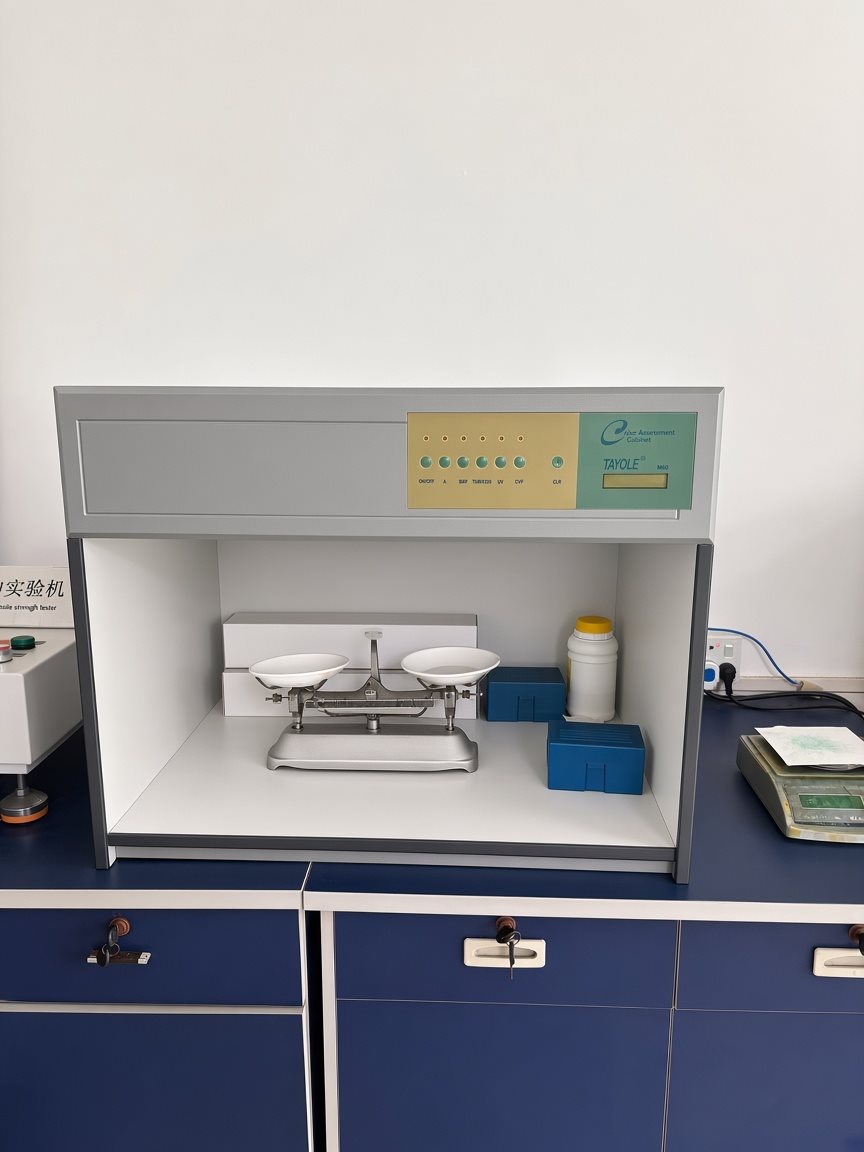
Section titled “Make a usable reference”Approve a physical sample and define the viewing light, distance and angle. Mark the primary faces, secondary faces and acceptable rack or masking areas. For electroplated and PVD parts, record the substrate, base texture and gloss.
Instrument readings help compare batches, but reflective curves and small parts require consistent measurement conditions. Use the reading together with the physical sample and visual criteria, not as a substitute for them.
Compare batches the same way
Section titled “Compare batches the same way”Compare first pieces, in-process samples and final samples under the same conditions. Record the batch, finish and reference sample. Revalidate any reference that is oxidised, dirty, worn or beyond its agreed service period.
When a difference appears
Section titled “When a difference appears”First distinguish between colour, gloss, texture and substrate issues. Then check the preparation, bath or coating conditions, rack position and batch changes. Hold the affected quantity and record the decision in the abnormal-result process.
Reference photos
Related topics
Section titled “Related topics”Electroplating acceptance · PVD approval · Inspection and testing