
Brass
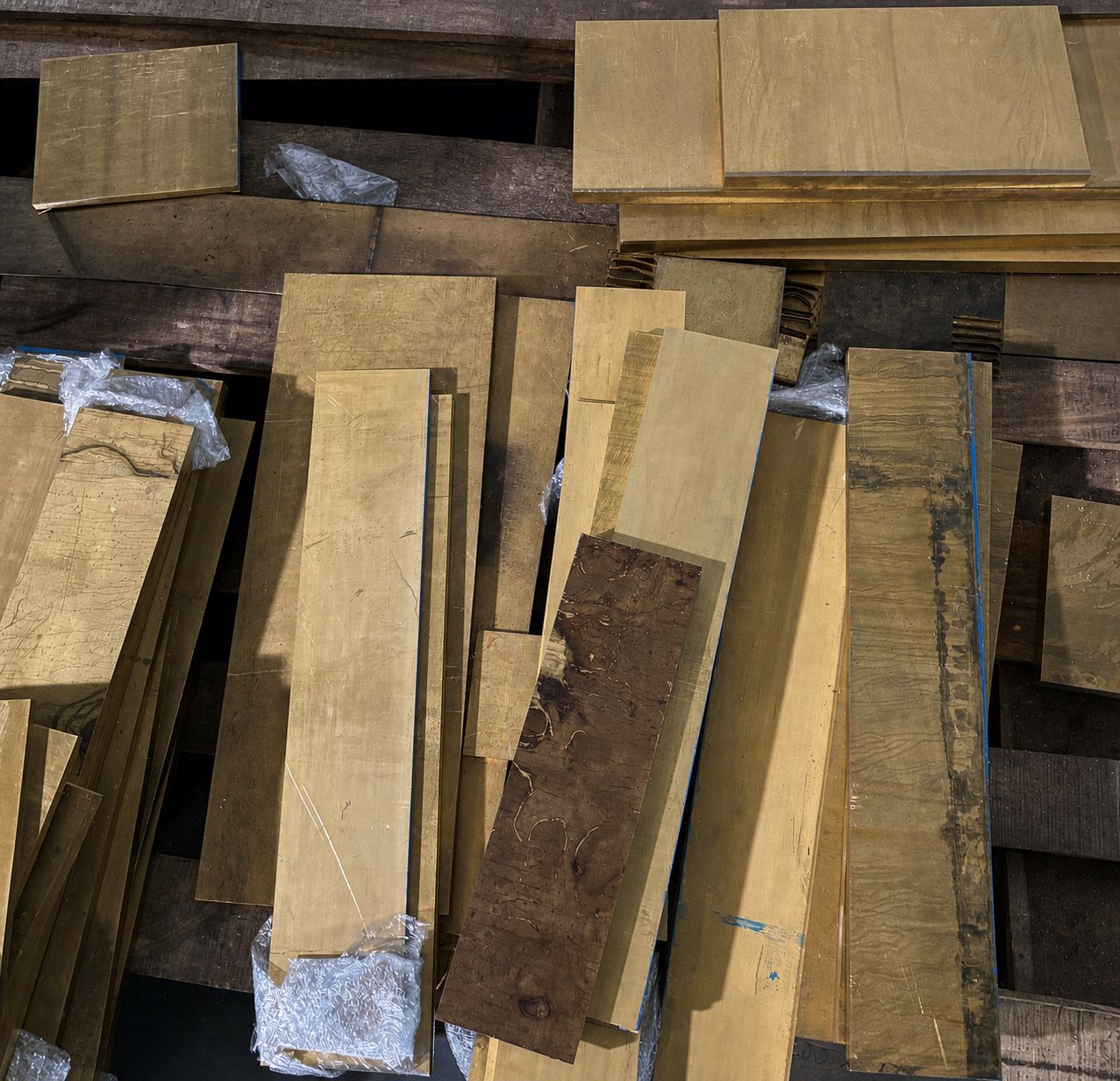
Brass is a copper-zinc alloy valued for its warm metallic appearance, machinability and use in premium hardware. It is suitable when a solid-metal feel, machined detail or specified finish supports the product brief.
Forming, machining and finish response
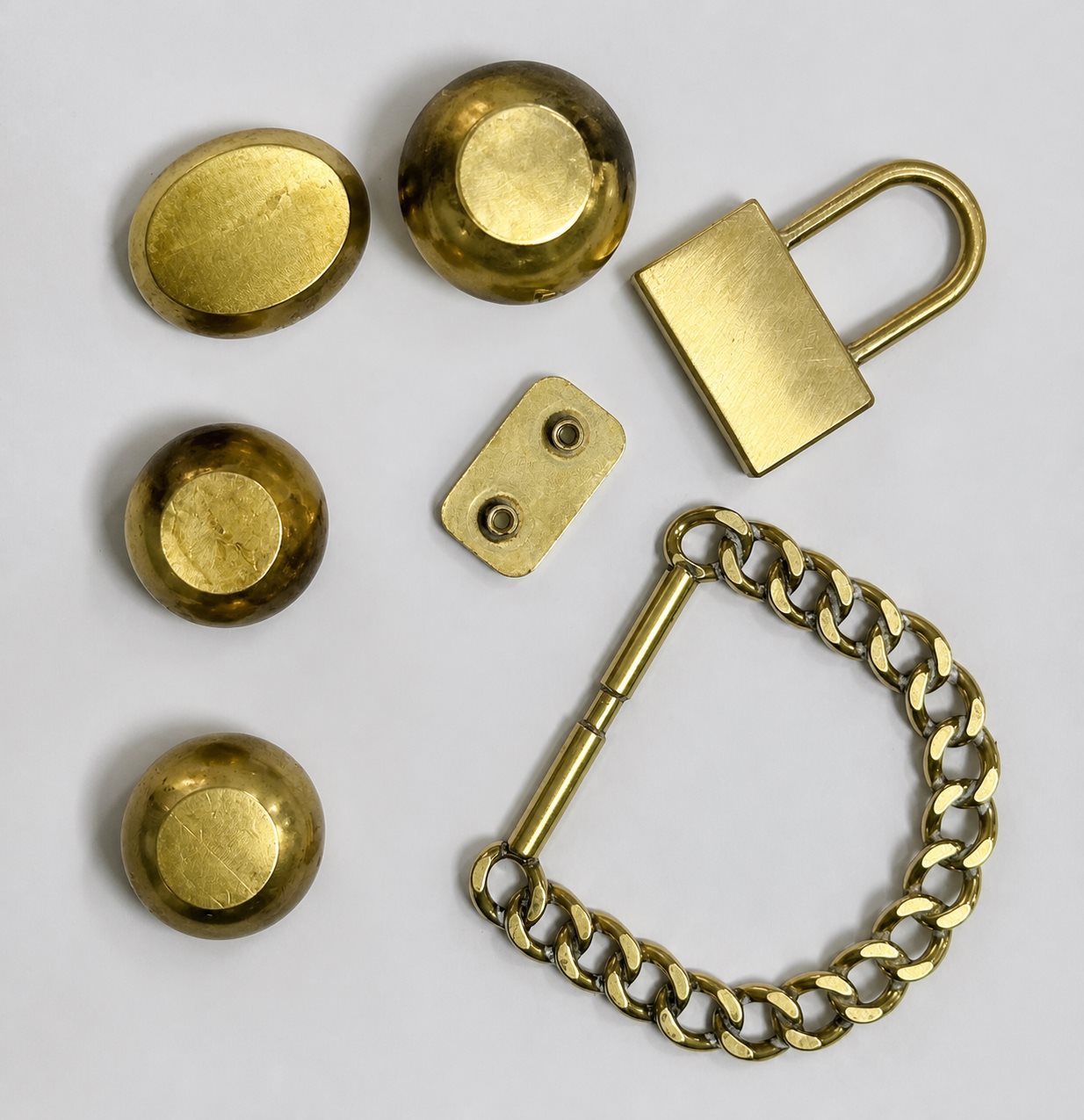
Section titled “Forming, machining and finish response”Brass parts may be cut, machined, formed, cast from molten metal or assembled, depending on their geometry and volume. Its higher melting temperature, material cost and processing requirements usually make the complete route more demanding than conventional zinc die casting. For complex shapes or higher volumes, compare the full route with a zinc-alloy alternative.
Polishing can reveal or refine the metal surface before lacquer, electroplating or another protection system. Edges, recesses and critical visible faces need equal attention. Natural brass, brushed brass and a brass-coloured coating should not share an ambiguous colour description.
What to confirm before development
Section titled “What to confirm before development”Specify the alloy, section size, machining datums, finish and acceptance standard together. Natural brass can change in appearance through handling and atmospheric exposure, so a physical approval sample and colour-control method are useful for appearance-critical programmes. A CNC metal sample can validate weight, profile and assembly before tooling or production.
Related terms
Section titled “Related terms”CNC metal samples · Polishing · Electroplating · Colour control · Zinc alloy