
Polishing
Polishing refines a metal surface by reducing tool marks, smoothing transitions or creating a specified texture. It does not produce a single type of appearance: satin, brushed and mirror-like surfaces require different preparation and inspection.
How tumbling, grinding and polishing differ
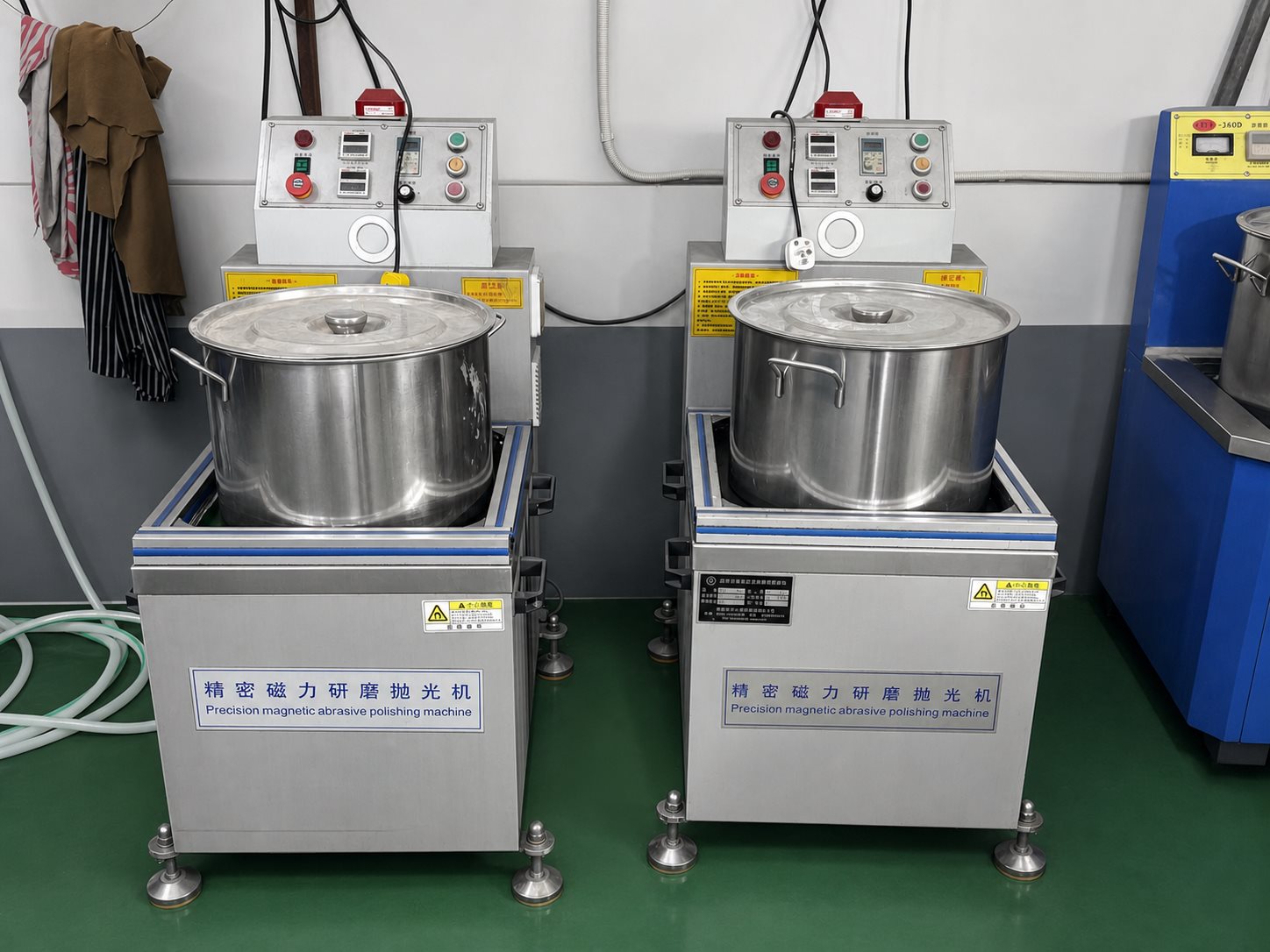
Section titled “How tumbling, grinding and polishing differ”Vibratory tumbling can remove light flash in batches, soften edges and create a more consistent base surface. Mechanical grinding targets parting lines, gate marks and local waviness. Polishing then uses progressively finer operations to refine the surface and increase its lustre. These terms are not interchangeable; the sequence depends on the substrate, geometry and final appearance.
Material, casting condition and tool access all affect the result. Recesses and internal corners do not polish like broad open faces, and free-form parts often require more manual work. Hand finishing relies more on operator skill and suits transitions and critical visible areas on complex geometry. Approve a physical sample whenever appearance is critical.
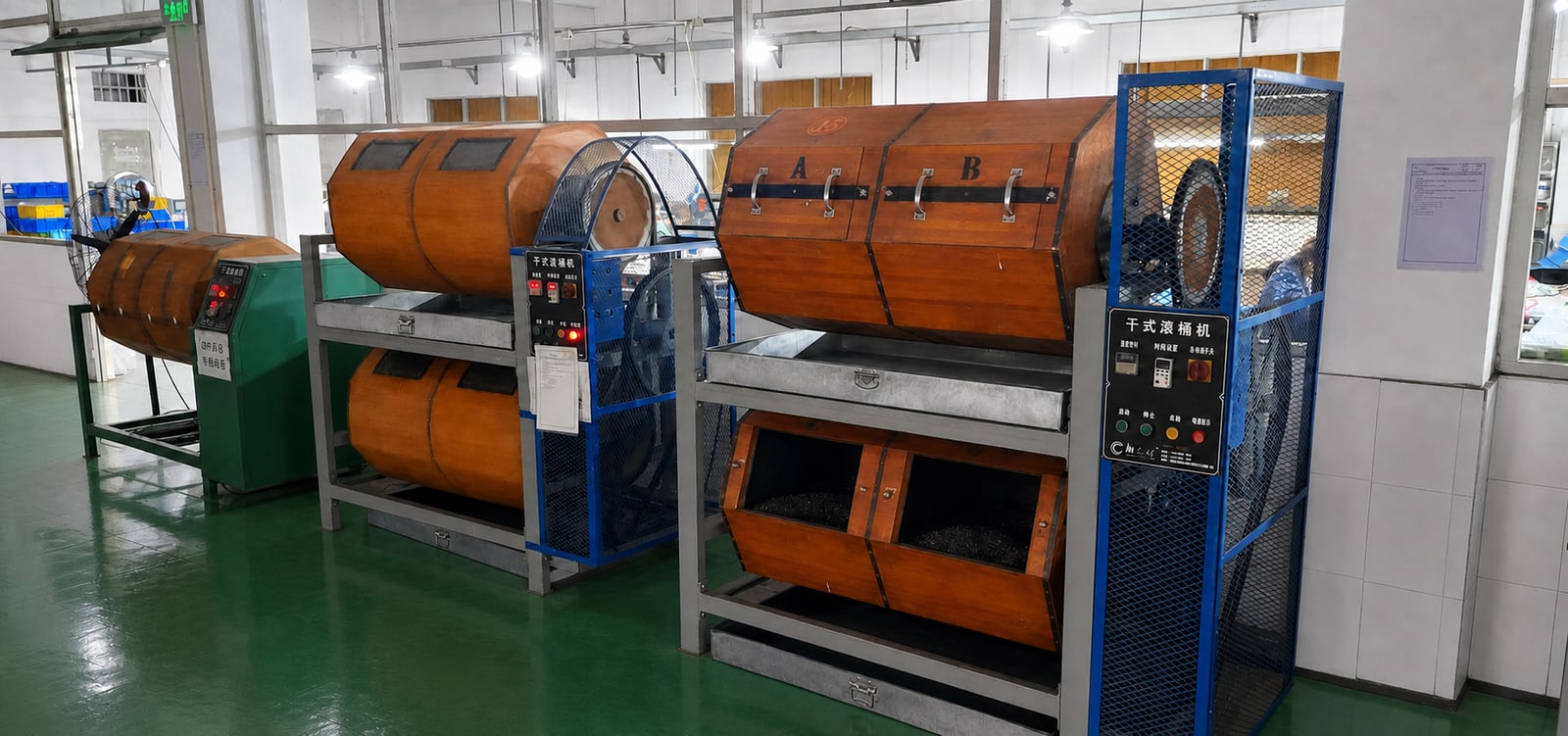
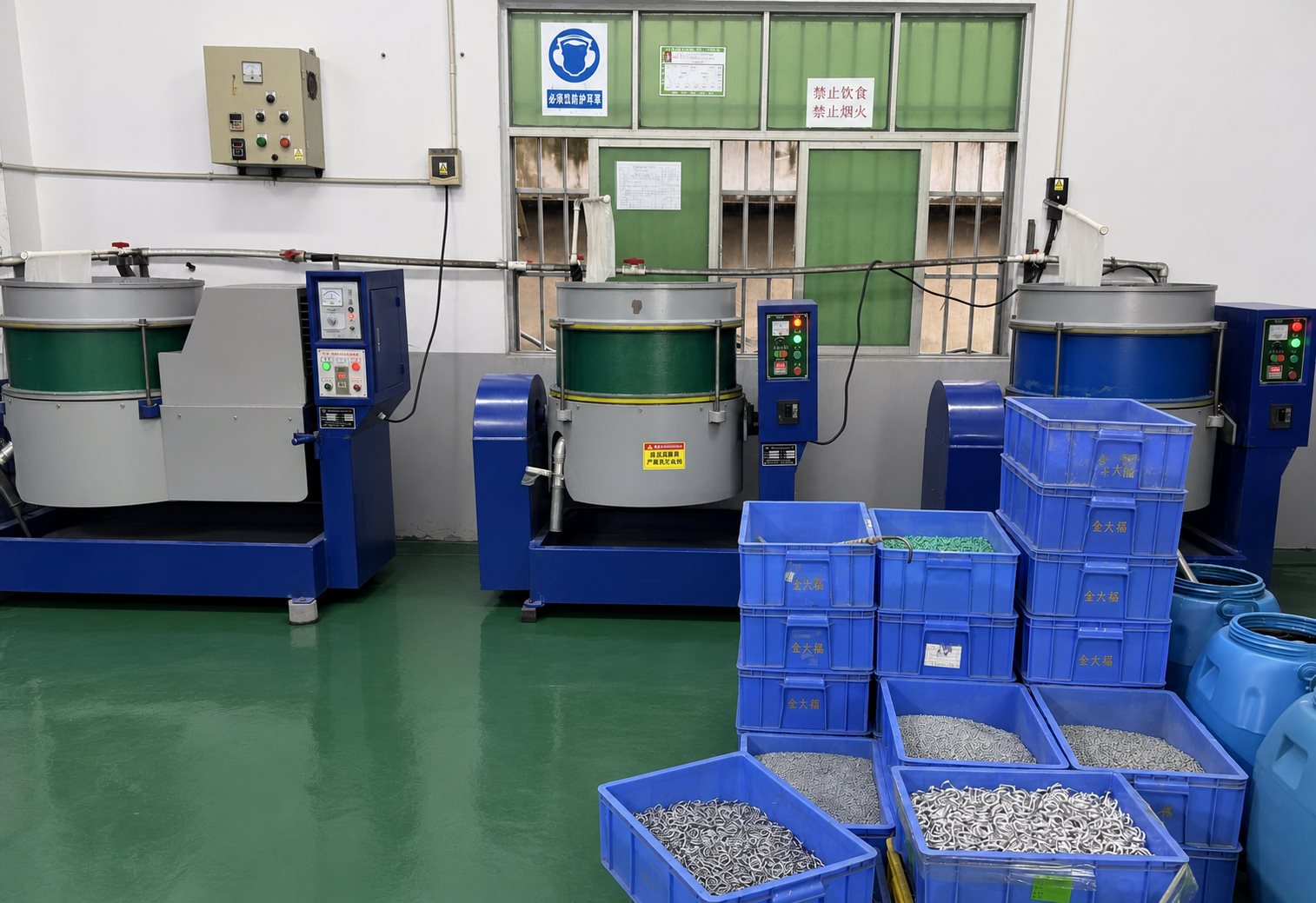
Batch tumbling for suitable small parts
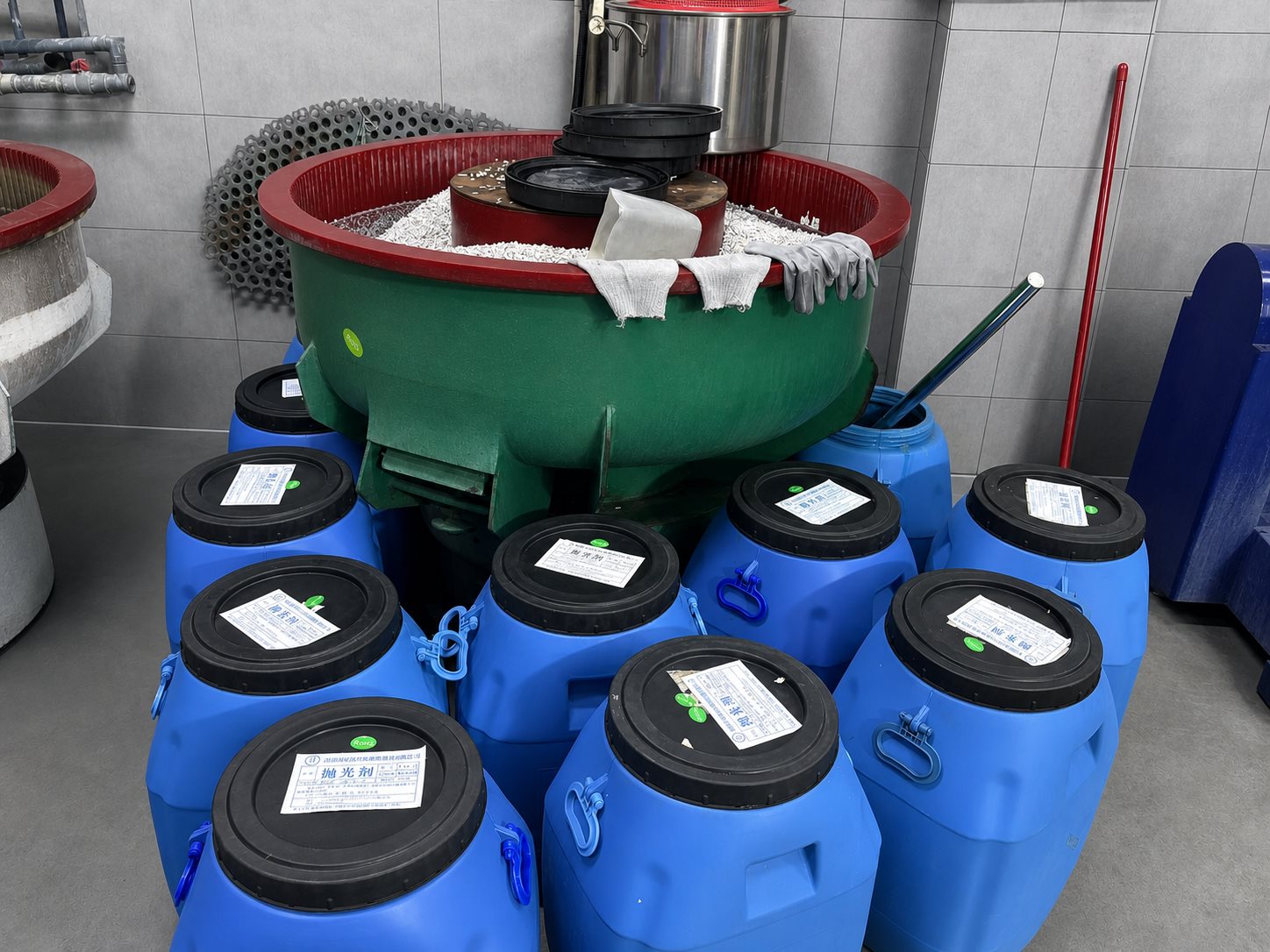
Section titled “Batch tumbling for suitable small parts”Barrel or vibratory tumbling can brighten suitable small blanks in batches. The parts move with abrasive media inside a barrel or vibrating vessel, smoothing light marks and softening edges. This method is best suited to compact components without broad flat faces; large flat areas can become rounded, uneven or damaged through part-to-part contact.
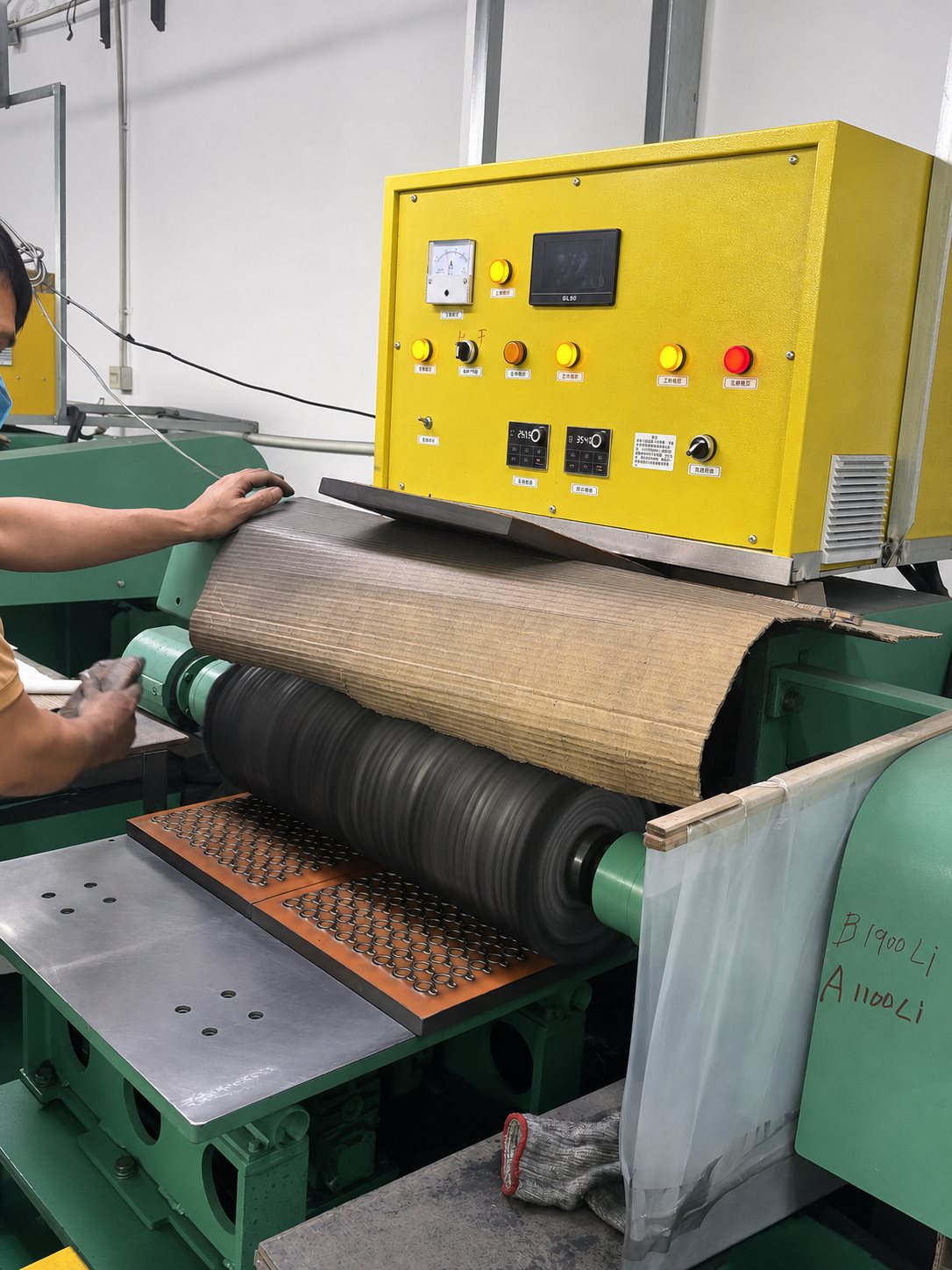
Automated polishing for flat parts
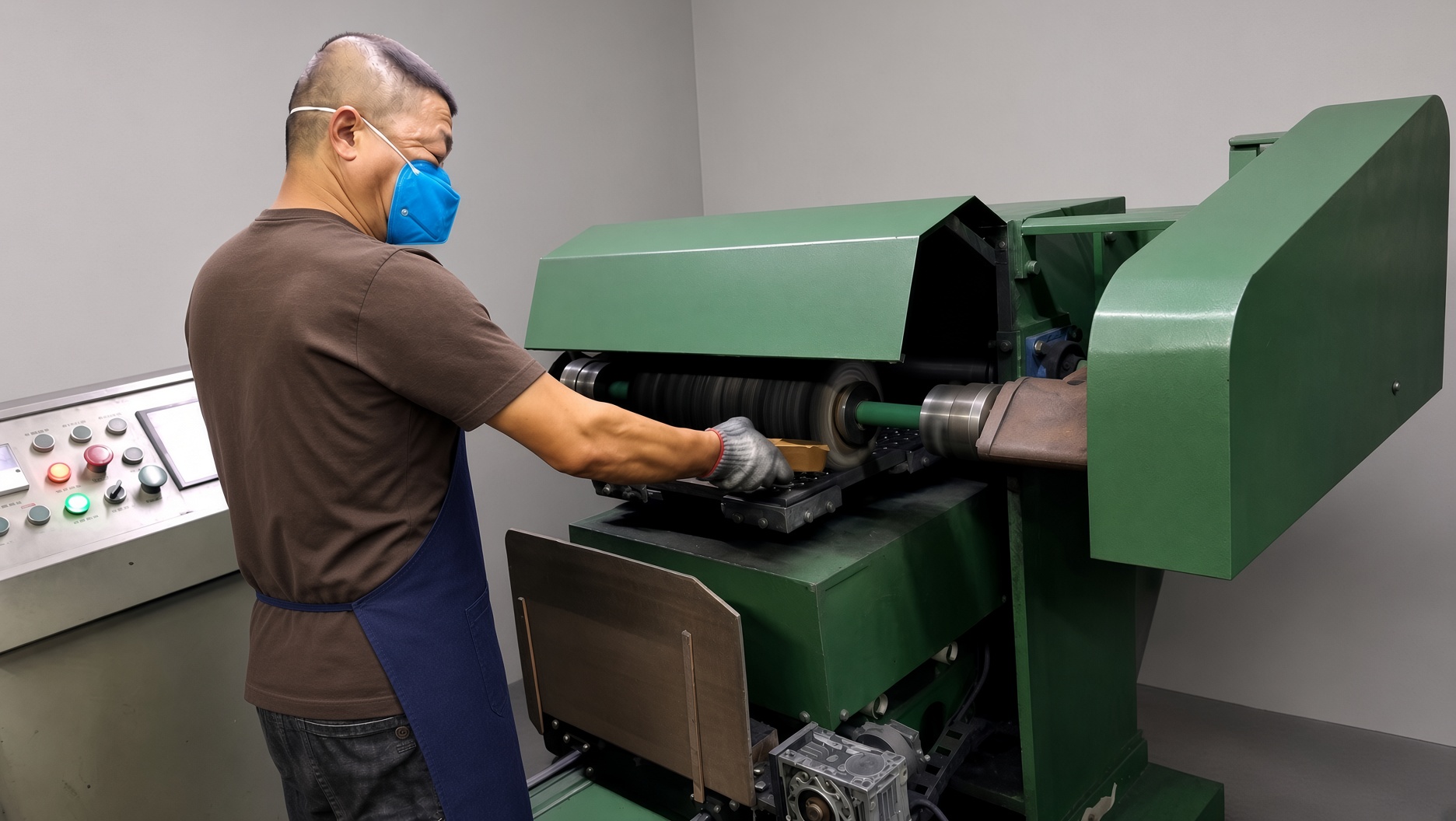
Section titled “Automated polishing for flat parts”Automated polishing arranges or secures multiple parts on a board, then uses machine-driven polishing wheels to polish and brighten their principal faces in batches. For products that can be held consistently and whose main visible faces are flat or nearly flat, this method improves batch throughput and supports more consistent surface lustre.
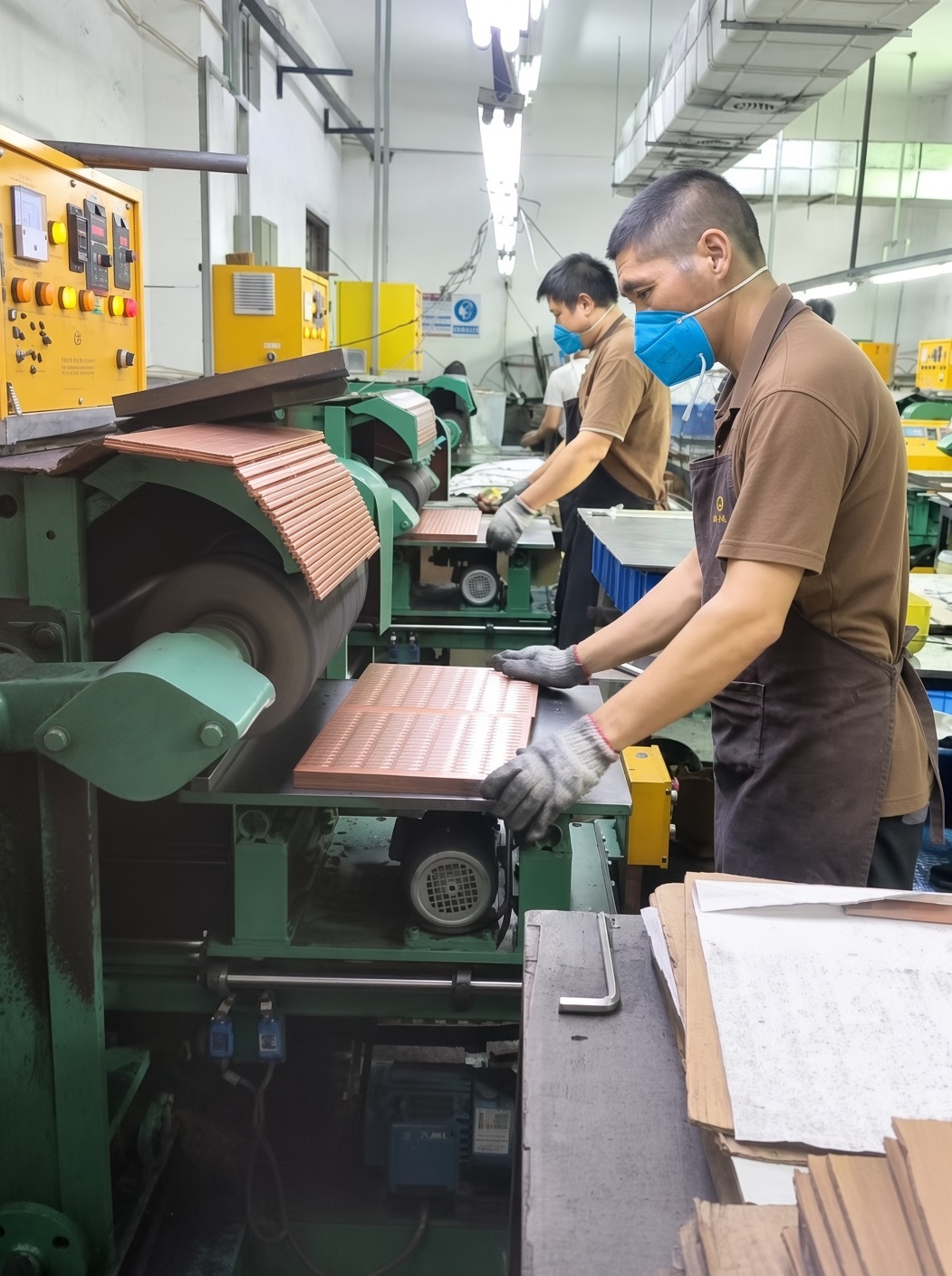
Suitability depends on even, consistent contact between the working face and the polishing wheel. Irregular contours, deep recesses, major height changes and parts that cannot be arranged securely on a board are unsuitable. These geometries may receive incomplete or uneven contact and should use manual polishing or another appropriate method.
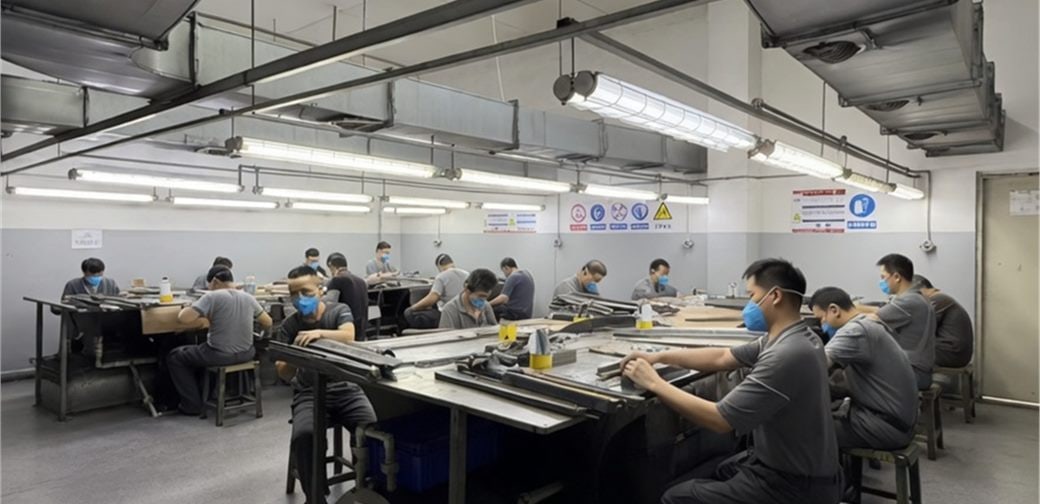
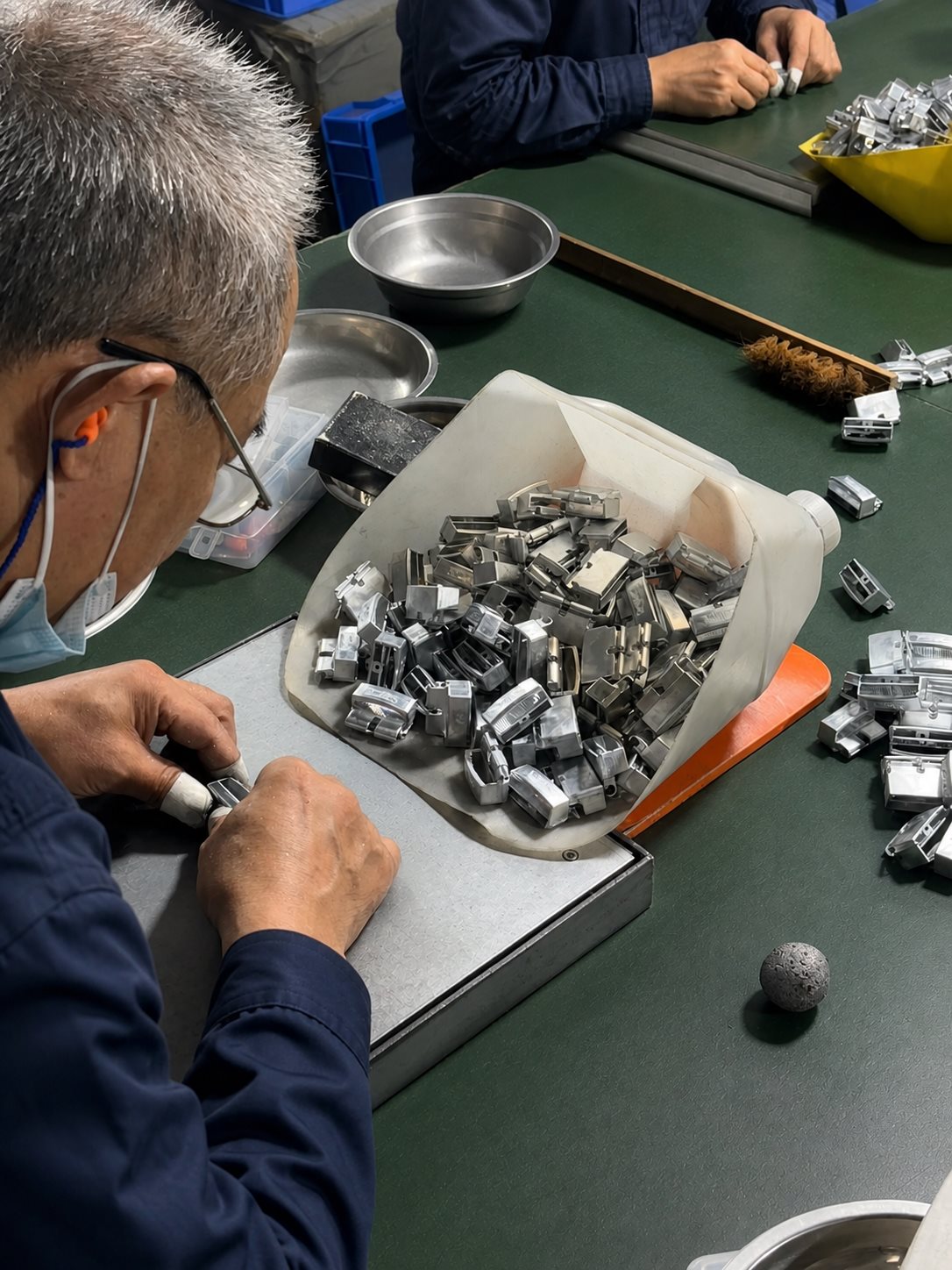
Manual polishing for complex geometry
Section titled “Manual polishing for complex geometry”Manual polishing works directly on the blank surface and gives the operator access to irregular geometry, transitions and difficult visible areas. With a controlled substrate, polishing sequence and approval sample, it can improve the surface consistency and appearance of shaped parts.
Preparing the substrate for plating and PVD
Section titled “Preparing the substrate for plating and PVD”Neither electroplating nor PVD automatically repairs deep scratches, waviness, porosity or handling damage. Bright colours often reveal substrate defects more readily, while nylon brushing, blasting and matt effects still need a controlled direction, media and masking boundary. Use the main finish families to connect the intended effect to the preparation standard.
Finished parts should then be protected from contamination and impact. Cleanliness, rack marks, work-in-process packaging and transport protection all affect the final appearance, so edges, recesses and critical faces should be defined separately during inspection.
Reference photos
Related terms
Section titled “Related terms”Deburring · Finish routes · Preparation for electroplating · PVD substrate approval · Colour control · Appearance inspection