
Zinc Alloy
Zinc alloy is widely used for detailed decorative and functional hardware because it flows well into a die, reproduces fine features and supports many surface finishes. It is commonly considered for handles, buckles, clasps, badges and small fittings where shape and appearance matter.
Why zinc alloy suits precision die casting
Section titled “Why zinc alloy suits precision die casting”Molten zinc alloy has good fluidity, so most precision zinc hardware is made by die casting. Zamak 3 is a common general-purpose choice because of its fluidity, dimensional stability and finish response. Zamak 5 may be considered for electronic or structural parts that need greater strength or wear resistance, but the grade should be confirmed against the geometry, function and downstream processing.
Draft, wall transitions, parting lines, gate positions and ejection should be reviewed early. A stable design supports die filling and also makes grinding, polishing, assembly and later die corrections more predictable. See production die strategies for the connection between product geometry and tooling.
From substrate quality to the finished surface
Section titled “From substrate quality to the finished surface”Zinc alloy supports electroplating as well as paint and other coating systems, but the final lustre still depends on casting and surface preparation. Porosity, cold-flow marks, flash and handling damage can become more visible under bright finishes, so process control needs to cover die casting, polishing and rack location.
Material selection should also consider the load, service environment, finish and mating parts. Confirm the intended colour, surface requirements and corrosion expectations before tooling, then use appearance and functional inspection with an appropriate salt spray plan to control the finished part.
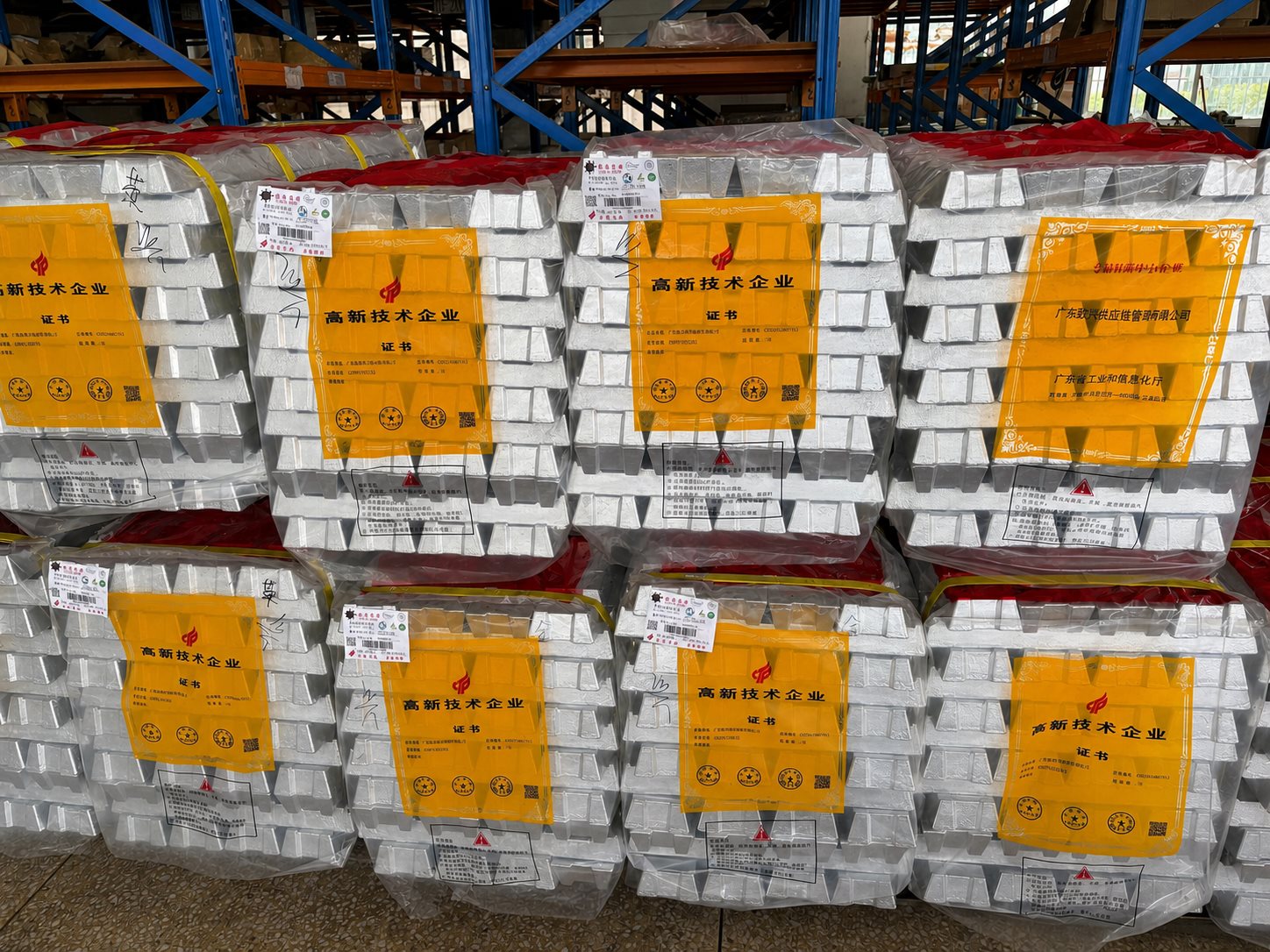
Reference photos
Related terms
Section titled “Related terms”Die casting · Production tooling · Polishing · Electroplating · Inspection and testing